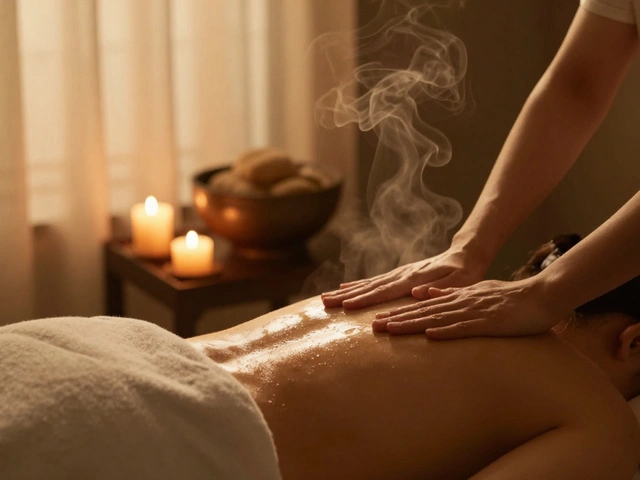
Stone Therapy for Dogs: Safe Hot and Cold Stone Massage Tips
Stone therapy uses warmed or cooled stones to help relax muscles and improve circulation. For dogs, the goal is gentle warmth, calm, and comfort - not deep heat or long sessions. Many owners see relaxed breathing, softer muscles, and easier movement after short, careful sessions.
How stone therapy works
Heated stones transfer mild warmth into the skin and superficial muscles. That warmth can ease tightness and help a nervous dog settle. Cold stones offer the opposite: they reduce surface inflammation and numb tender spots for brief relief. Both tools support massage techniques but should never replace veterinary care for injuries or serious pain.
Is stone therapy safe for my dog?
Yes, if you follow a few rules. Always check with your vet first, especially for puppies, seniors, pregnant dogs, or pets with heart or nerve conditions. Test stone temperature on your wrist before touching your dog - it should feel comfortably warm, not hot. Keep stone sessions short, around five to ten minutes, and watch your dog closely for signs of discomfort or overheating.
How to try stone therapy at home
Start slow. Use smooth, nonporous stones you can warm in hot water or cool in a sealed bag in the fridge. Wrap stones in a thin towel so the heat is gentle on skin and fur. Let your dog sniff the stones and choose when to come closer. Work on calm, flat areas like the shoulders, back, and hips, using light pressure and slow strokes. Pair stones with soft petting and short breaks.
Tips for success
Keep sessions brief. Short, consistent sessions beat long, rare ones. Choose the right temperature. Warm should feel soothing, cold should be mildly cool. Watch body language. Relaxed eyelids, slow tail wags, and soft breathing mean the dog is happy. Tucked tail, stiff body, panting, or trying to move away mean stop. Avoid open wounds, inflamed spots, or recent surgical sites. Don’t substitute stones for vet treatment. Use them as a comfort tool alongside proper medical care.
When to skip stone therapy
If your dog has unmanaged pain, fever, skin infections, or circulation problems, skip stone work until a vet gives the go-ahead. Also avoid if your dog is very anxious or distrustful after a few tries.
Finding a pro
A certified canine massage therapist experienced with stones is ideal. Ask about training, client references, and how they monitor temperature and dog comfort during sessions.
Quick checklist: vet approval, test stone temp on your wrist, wrap stones in a towel, keep sessions under ten minutes, watch for stress signals, avoid wounds, stop if the dog pulls away. Use cold stones only briefly and never place stones directly on broken skin. Record how your dog responds and share notes with your vet or therapist regularly.
Stone therapy can be a gentle, calming add-on to your dog’s care when done safely. Try short, cautious sessions, get vet approval, and focus on your dog’s comfort above all else.
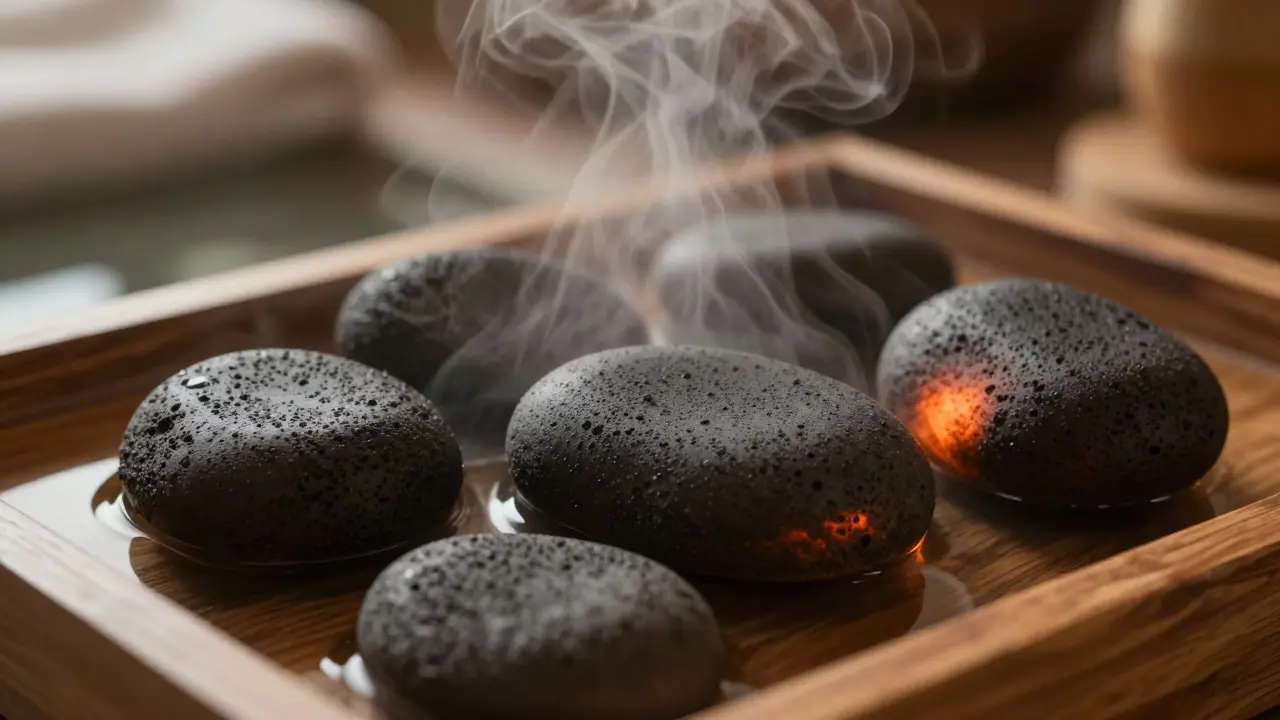
Stone Therapy Benefits: Hot & Cold Stone Massage Explained
Discover the real benefits of stone therapy. Learn how hot and cold basalt stones relieve pain, improve circulation, and reduce stress. Find out what to expect in a session.
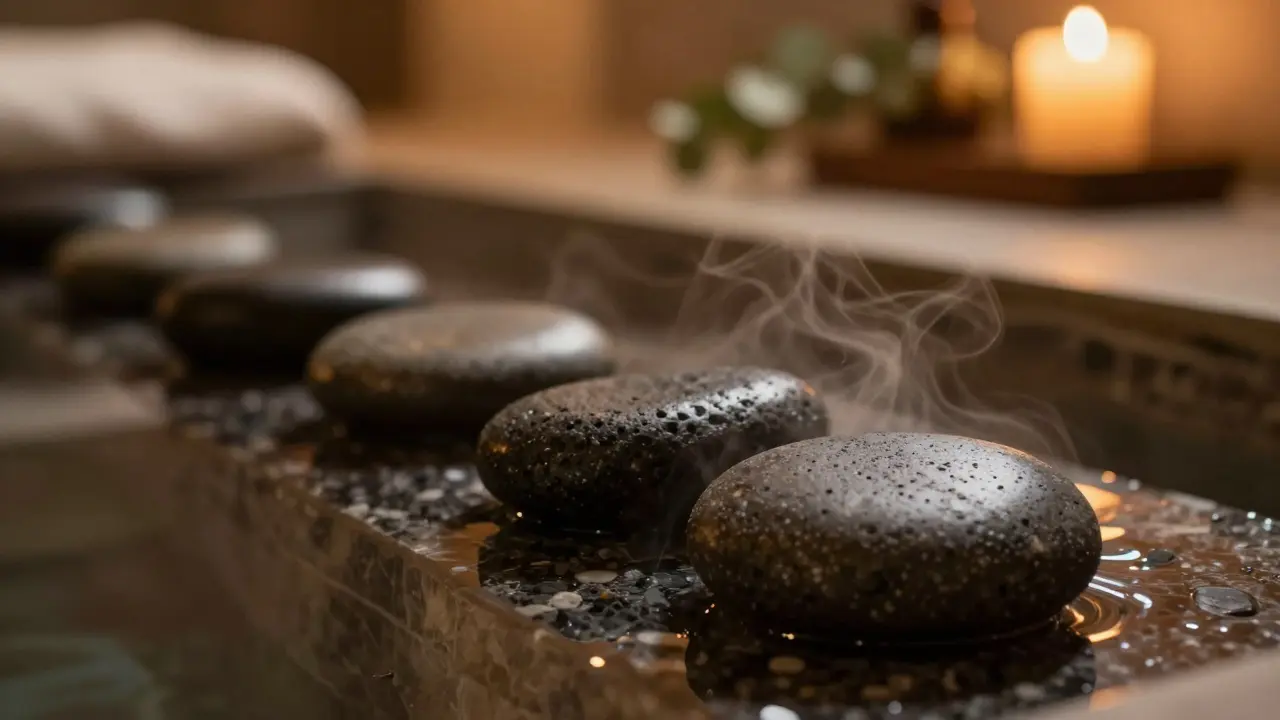
Stone Therapy: How Hot and Cold Stones Restore Balance
Discover how stone therapy uses hot and cold basalt stones to relieve pain, reduce stress, and improve circulation. Learn the science, safety tips, and best practices for this holistic treatment.
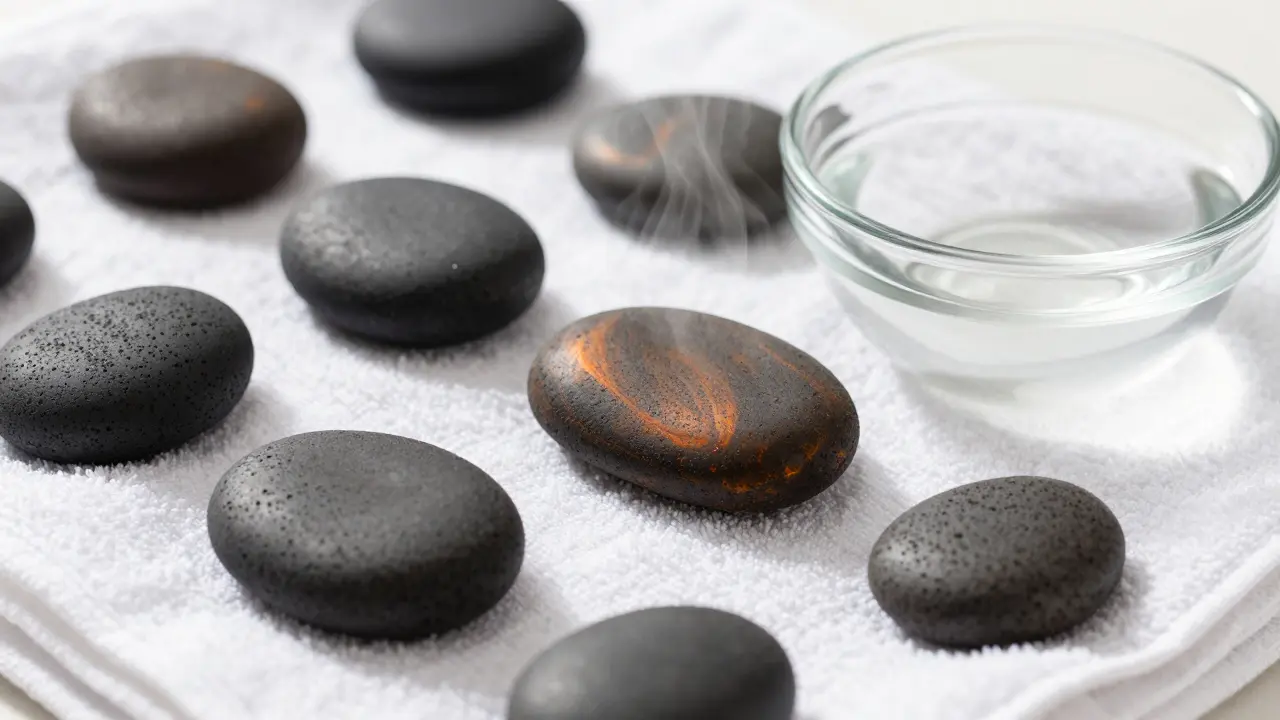
The Magic of Stone Therapy: A Complete Guide to Natural Healing
Discover the benefits of stone therapy for natural healing. Learn how hot stone massage works, safety tips, and what to expect during a session for deep relaxation.