You walk into a dimly lit room. The air smells faintly of eucalyptus. A therapist places smooth, warm stones on your back. You don't just feel heat; you feel a deep release of tension you didn't know was there. This is stone therapy, also known as hot stone massage. It is not just a spa trend. It is a structured therapeutic technique that uses heated or cooled basalt stones to treat muscle pain, stress, and circulation issues.
Many people think this is just a fancy way to get a massage. That is a mistake. Stone therapy works differently than standard Swedish massage. Instead of relying solely on the therapist's hands, the stones act as extensions of their touch. They penetrate deeper into muscle tissue with less pressure. This means you get more relief without the soreness that sometimes follows a deep tissue session.
How Stone Therapy Actually Works
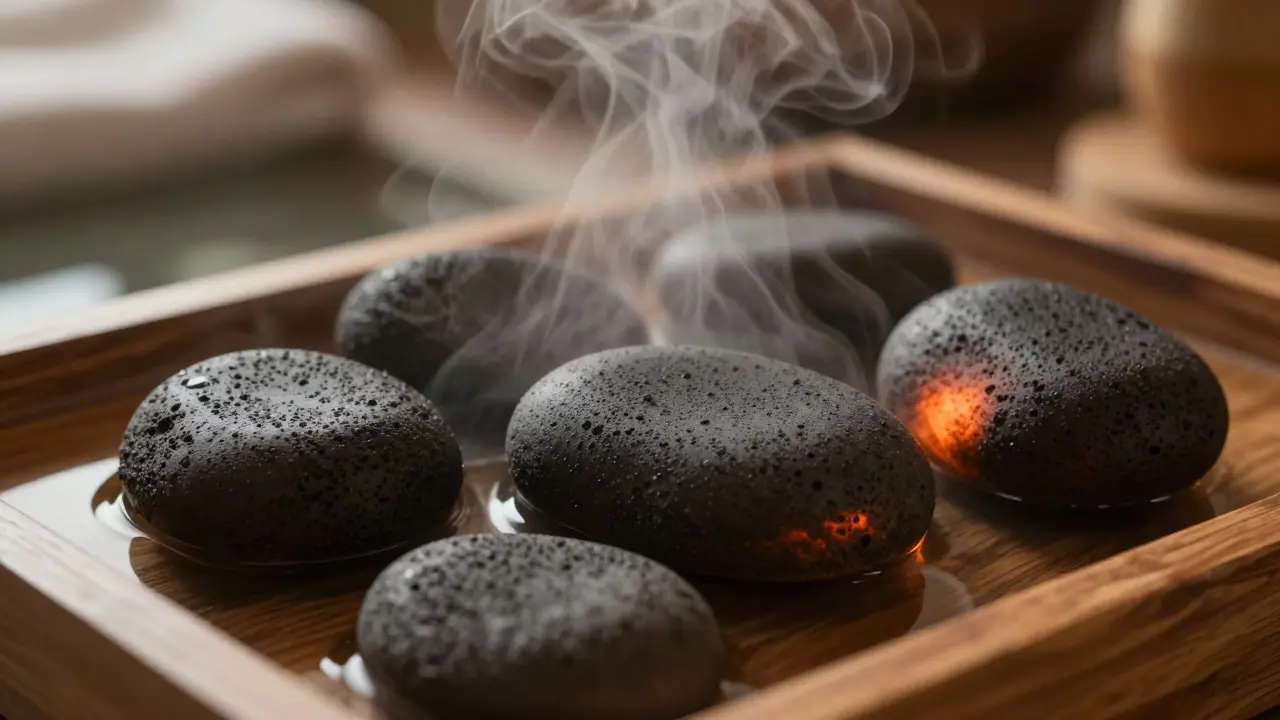
To understand why stone therapy feels so good, you need to look at the physics. The stones used are almost always basalt, a type of volcanic rock. Basalt has a unique property: it holds heat exceptionally well. When these stones are heated in a water-filled warmer to between 45°C and 50°C (113°F - 122°F), they radiate warmth steadily. This isn't a quick burst of heat like a heating pad. It is a sustained thermal transfer.
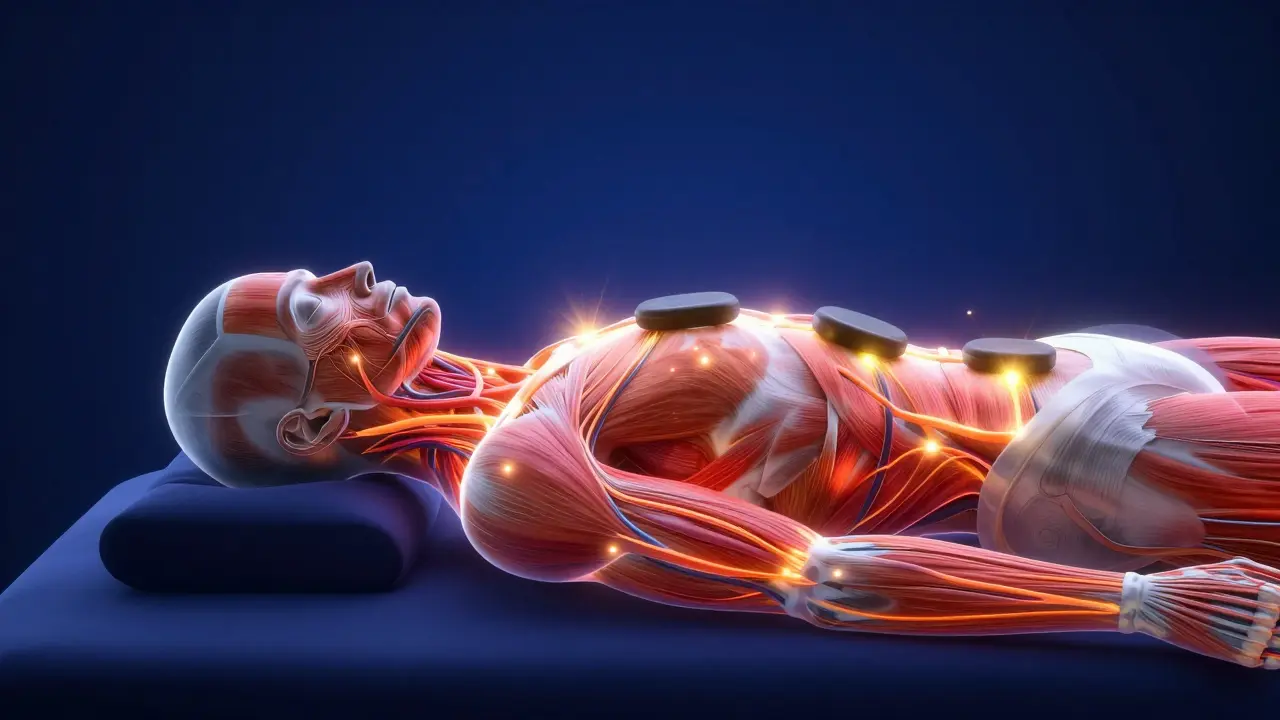
When placed on specific points of your body, the heat travels through the skin and into the muscle fibers. This process causes vasodilation. In simple terms, your blood vessels widen. More blood flows to the area. This increased circulation brings oxygen and nutrients to tired muscles while helping to flush out metabolic waste products like lactic acid.
The therapist doesn't just leave the stones on you. They pick them up and glide them across your body using massage oil. Because the stones are smooth and warm, they slide effortlessly. The warmth relaxes the top layer of muscle, allowing the therapist to work on deeper knots with lighter pressure. It is efficiency meets comfort.
The Difference Between Hot and Cold Stones
Most people associate stone therapy only with heat. But cold stone therapy is equally important, though less common. Understanding when to use each can change your experience entirely.
| Feature | Hot Stone Therapy | Cold Stone Therapy |
|---|---|---|
| Primary Goal | Muscle relaxation, tension release | Inflammation reduction, nerve calming |
| Temperature | 45°C - 50°C (Heated) | Cooled or frozen |
| Best For | Chronic stiffness, stress, poor circulation | Acute injury, swelling, headaches, hyperactive nerves |
| Physiological Effect | Vasodilation (widens blood vessels) | Vasoconstriction (narrows blood vessels) |
Think of it this way: if you have been sitting at a desk all day with tight shoulders, you want heat. If you just finished a marathon and your calves are throbbing and swollen, you want cold. Some therapists combine both. They might start with hot stones to loosen you up and finish with cold stones on the forehead or wrists to ground your energy and reduce any inflammation.
Physical Benefits Beyond Relaxation
Relaxation is the obvious benefit. But stone therapy offers concrete physical improvements that go beyond feeling "chilled out."
- Improved Circulation: As mentioned, the heat expands blood vessels. This helps deliver oxygen to tissues more efficiently. For people with cold hands and feet due to poor circulation, this can provide noticeable relief during the session.
- Pain Reduction: Studies suggest that heat therapy can block pain signals from reaching the brain. By relaxing the muscle spasm that often causes chronic back or neck pain, stone therapy addresses the root cause, not just the symptom.
- Better Sleep: The parasympathetic nervous system controls your "rest and digest" mode. Stone therapy strongly activates this system. Many clients report falling asleep faster and staying asleep longer after a session. This is because the body temperature drops slightly after the treatment, mimicking the natural drop that occurs before sleep.
- Lymphatic Drainage: When combined with gentle stroking motions, the warmth helps move lymph fluid. This supports your immune system by helping remove toxins from the body.
Mental Health and Stress Relief
Your mind and body are connected. When your muscles are tight, your brain interprets this as stress. Stone therapy breaks this cycle. The sensory input of warm stones on your skin is grounding. It forces your attention away from racing thoughts and onto physical sensations.
This is particularly helpful for anxiety. The rhythmic placement of stones creates a predictable, safe pattern. For many, it acts as a form of mindfulness meditation without having to sit still and focus on breath. You are passively receiving care, which allows the brain to switch off from "fight or flight" mode.
In Melbourne, where the pace of life can be fast and stressful, this mental reset is valuable. It is not just about fixing a sore back; it is about giving your nervous system a break.
Who Should Avoid Stone Therapy?
While safe for most people, stone therapy is not for everyone. You should skip it or consult a doctor first if you have:
- Open wounds or skin infections: The heat and friction can irritate broken skin.
- Diabetes with neuropathy: Reduced sensation in the limbs means you might not feel if a stone is too hot, leading to burns.
- High blood pressure: Extreme heat can raise blood pressure further. Inform your therapist so they can use lower temperatures.
- Pregnancy: While some therapists offer prenatal massage, placing hot stones on the abdomen or lower back is generally avoided due to risks of overheating the fetus.
- Blood thinners: The increased circulation can increase the risk of bruising or bleeding under the skin.
Always communicate your health history before lying down. A good therapist will adjust the technique or decline the service if it is unsafe.
What to Expect During Your First Session
If you have never tried stone therapy, here is the step-by-step process:
- Consultation: The therapist asks about pain points, injuries, and preferences. Tell them if you like firm pressure or light touch.
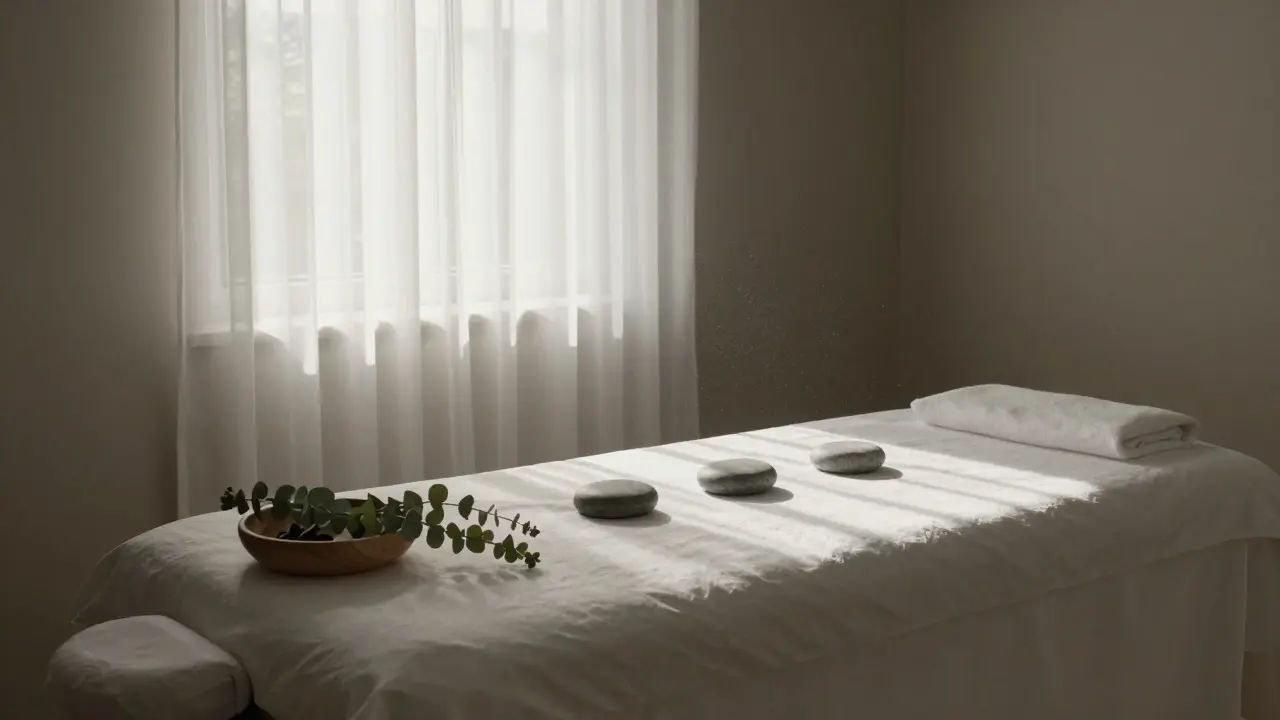
- Preparation: You undress to your comfort level and lie face down on the table. Sheets cover you. The therapist warms the stones in a specialized heater.
- Placement: Warm stones are placed on key areas: between shoulder blades, palms, soles of feet, and stomach. You rest with them there for a few minutes. This initial phase is purely passive.
- Massage: The therapist removes the stones and begins massaging with oil. They may hold stones in their hands to add weight and heat to their strokes, or place them back on specific trigger points.
- Conclusion: The session ends with stones removed. You are given time to dress slowly. Drink plenty of water afterward to help flush out toxins released from the muscles.
The entire session usually lasts 60 to 90 minutes. It is slower than a regular massage because the therapist needs to check stone temperatures and allow time for the heat to work.
Choosing the Right Therapist
Not all spas are created equal. Look for a licensed massage therapist who specializes in hot stone techniques. Ask about their training. Proper certification ensures they know how to heat stones safely and where to place them to avoid nerves or bones.
In Australia, check that the therapist is registered with a recognized body like the Australian Association of Massage Therapists (AAMT). This guarantees they follow hygiene standards and professional ethics. Read reviews specifically mentioning "hot stone" to see if others found the temperature comfortable and the pressure effective.
Cost and Accessibility
Stone therapy is typically more expensive than a standard massage. In Melbourne, prices range from $120 to $180 for a 60-minute session. The higher cost reflects the extra equipment, time, and skill required. However, many insurance plans do not cover it unless prescribed for medical reasons. Check with your provider. If budget is tight, consider a 45-minute session or ask if the therapist can incorporate a few stones into a standard massage rather than doing a full stone therapy protocol.
Does stone therapy hurt?
No, it should not hurt. The stones are smooth and warm, which soothes the muscles. If you feel sharp pain, tell your therapist immediately. Discomfort from releasing tight knots is normal, but burning or stinging is not.
Can I get burned by hot stones?
Burns are rare if the therapist is trained. Professional heaters keep stones at a safe temperature (usually below 50°C). Therapists test the stones on their own wrists before placing them on you. Always speak up if a stone feels too hot.
How often should I get stone therapy?
For chronic pain or high stress, once a month is a good starting point. For acute injury recovery, weekly sessions for a short period may be recommended. Listen to your body. If you feel great, you can space them out.
Is stone therapy better than deep tissue massage?
It depends on your goal. Deep tissue is better for breaking up severe adhesions and scar tissue. Stone therapy is better for overall relaxation, improving circulation, and relieving tension with less pressure. Many people prefer stone therapy because it is less painful yet equally effective for general stiffness.
Do I need to shower after stone therapy?
You do not need to shower immediately, but you might want to. The massage oil can make clothes sticky. Showering helps remove excess oil and allows your skin to breathe. Drinking water is more critical than showering to help your body recover.