For decades, the standard approach to caring for captive elephants involved heavy-duty veterinary medicine and rigid enclosure management. But a quiet revolution is happening in sanctuaries across Southeast Asia and beyond. Keepers are trading high-pressure hoses for hands-on techniques borrowed from human wellness traditions. This practice, known as elephant massage, is not just about relaxation; it is becoming a critical tool in modern animal welfare science.
You might wonder why an animal that weighs several tons needs a massage. The answer lies in the unique physiology of these giants and the stresses of captivity. By understanding how manual therapy impacts their physical and mental state, we can see a shift toward more humane, responsive care models. This isn't about pampering animals for tourists. It's about addressing chronic pain, improving mobility, and rebuilding trust between species.
The Physical Burden of Being an Elephant
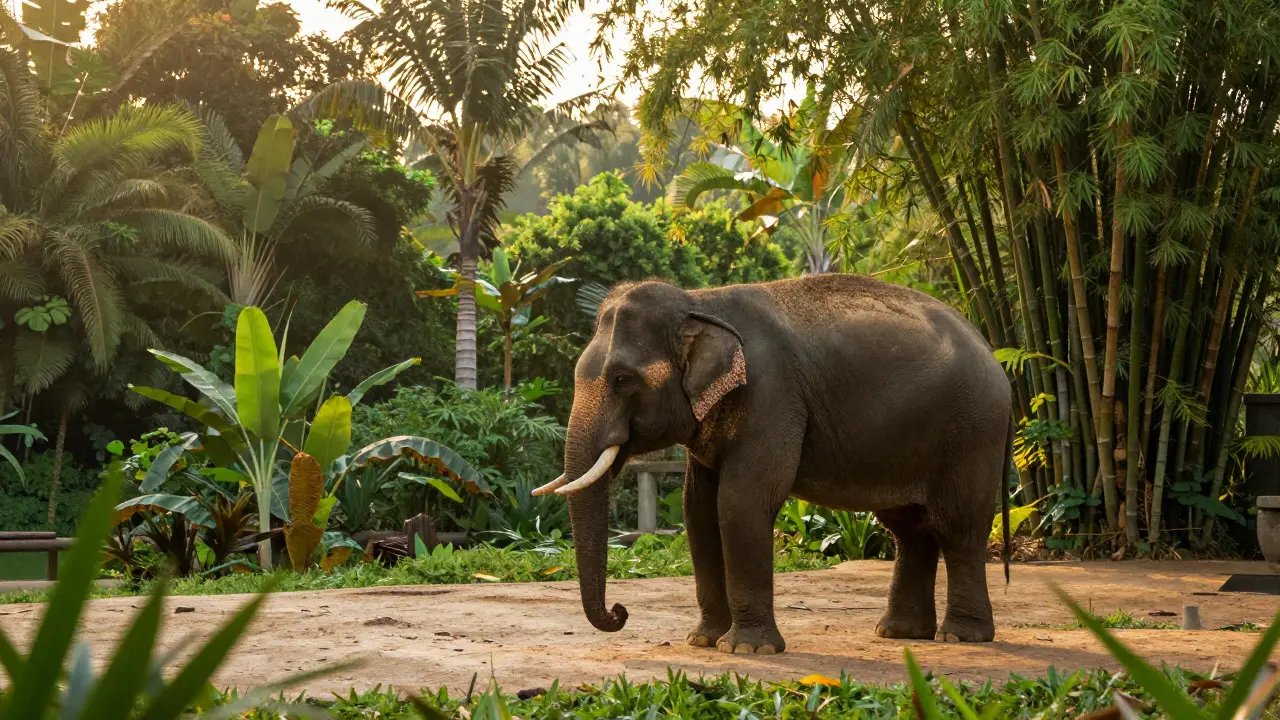
To understand why this therapy works, you first have to look at the anatomy of an Asian elephant (Elephas maximus) or an African bush elephant (Loxodonta africana). These creatures carry immense weight on relatively small foot structures. In the wild, they roam tens of miles daily over varied terrain, which naturally keeps their muscles flexible and joints lubricated.
In captivity, even in large sanctuaries, movement is often restricted. Concrete floors, limited space, and repetitive behaviors lead to a host of issues:
- Foot rot and bursitis: Chronic inflammation in the feet due to poor traction or standing too long.
- Arthritis: Degenerative joint disease affecting knees, hips, and shoulders.
- Muscle tension: Knots and tightness in the neck, back, and legs from lack of natural stretching.
Veterinarians traditionally treat these conditions with anti-inflammatories or surgery. While effective, drugs come with side effects and costs. Manual therapy offers a non-invasive alternative. By applying pressure to specific muscle groups, keepers can stimulate blood flow, reduce stiffness, and alleviate pain without pharmaceutical intervention.
Techniques Used in Elephant Massage
Elephant massage isn't random rubbing. It draws from established human therapeutic methods, adapted for massive bodies. The most common techniques include:
- Deep Tissue Friction: Using knuckles or elbows to work out knots in thick muscle layers, particularly along the spine and shoulders.
- Joint Mobilization: Gentle rocking and pulling motions to encourage range of motion in stiff joints like the ankles and wrists.
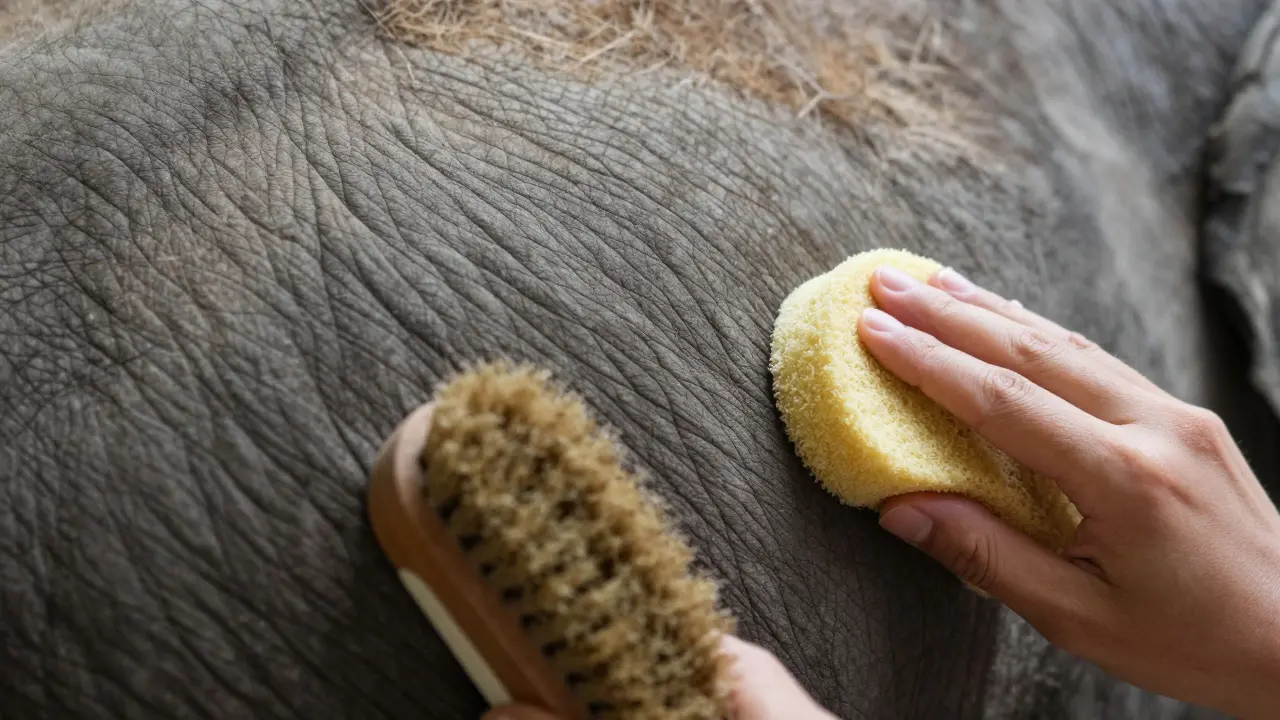
- Scrubbing and Brushing: Vigorous scrubbing with coarse brushes or sponges to stimulate circulation and remove dead skin, mimicking the social grooming behavior elephants perform in herds.
- Aromatherapy Integration: Applying diluted essential oils (like eucalyptus or lavender) during massage to soothe skin and provide calming sensory input.
Keepers must be trained to read the elephant's body language. A relaxed trunk, swaying hips, and closed eyes indicate enjoyment. Twitching ears or stepping away signals discomfort. This feedback loop ensures the therapy remains voluntary and beneficial.
The Psychological Impact: Trust and Bonding
Beyond physical relief, elephant massage addresses a critical psychological need: social connection. Elephants are highly social herd animals. In the wild, they spend hours grooming each other, reinforcing bonds and reducing stress. Captive elephants, especially those rescued from tourism camps or logging work, often suffer from trauma and isolation.
Regular massage sessions create a predictable, positive interaction with humans. Over time, this builds trust. An elephant that associates a keeper's touch with relief rather than force is less likely to exhibit stereotypic behaviors like pacing or head-bobbing. Studies from organizations like the World Elephant Foundation suggest that enriched environments incorporating tactile care significantly lower cortisol levels in captive elephants.
This bonding also makes routine medical care easier. When a vet needs to examine an elephant's foot or administer medication, an animal accustomed to gentle handling cooperates far more readily. This reduces the need for sedation, which carries its own risks.
Comparison: Traditional vs. Holistic Care Models
| Feature | Traditional Veterinary Model | Holistic/Integrative Model |
|---|---|---|
| Pain Management | Primarily NSAIDs, steroids | Massage, hydrotherapy, acupuncture |
| Behavioral Enrichment | Toys, food puzzles | Social grooming, tactile interaction |
| Human-Animal Interaction | Task-oriented (feeding, cleaning) | Relationship-oriented (trust-building) |
| Long-term Cost | High (medication, surgeries) | Moderate (labor-intensive, fewer meds) |
| Stress Reduction | Indirect (via pain relief) | Direct (via oxytocin release) |
Challenges and Ethical Considerations
While promising, elephant massage is not a panacea. Critics argue that no amount of pampering can replace the freedom of the wild. This is a valid point. Sanctuaries must prioritize spacious, natural habitats over spa-like treatments. Massage should complement, not substitute, proper environmental enrichment.
There are also labor challenges. Effective massage requires skilled, patient keepers. In regions where elephant care relies on underpaid mahouts (traditional handlers), introducing new protocols can be difficult. Training programs must ensure keepers are compensated fairly and educated in both animal behavior and therapeutic techniques.
Additionally, not every elephant enjoys massage. Some rescued individuals have deep-seated fears of human touch. Forcing interaction can re-traumatize them. Care plans must be individualized, respecting each animal's history and preferences.
The Future of Animal Care
The rise of elephant massage reflects a broader trend in zoology and conservation: moving from mere survival to thriving. Institutions are increasingly adopting "whole-animal" approaches that consider physical, emotional, and social well-being. This includes:
- Hydrotherapy pools: For low-impact exercise and joint support.
- Acupuncture: To manage chronic pain and digestive issues.
- Music therapy: Using soundscapes to calm nervous systems.
As research grows, we may see standardized guidelines for integrative therapies in accredited sanctuaries. The goal is clear: provide elephants with a quality of life that honors their complexity. Whether through a soothing rubdown or a muddy wallow, the message is consistent-these animals deserve care that respects their dignity.
Is elephant massage safe for all elephants?
Not necessarily. Elephants with severe trauma histories may fear human touch. Keepers must assess each individual's comfort level and never force interaction. Safety depends on the handler's skill and the elephant's consent.
Can anyone learn to give an elephant massage?
No. Proper training is essential. Handlers need knowledge of elephant anatomy, behavior cues, and therapeutic techniques. Untrained attempts could cause injury or distress. Most sanctuaries offer specialized courses for keepers.
Does elephant massage replace veterinary care?
Absolutely not. It is a complementary therapy. Serious medical conditions like infections, fractures, or organ failure require professional veterinary treatment. Massage supports overall wellness but does not cure diseases.
Where can I see ethical elephant massage practices?
Look for accredited sanctuaries that prohibit riding and performances. Organizations like the World Elephant Foundation or local NGOs in Thailand, India, and Sri Lanka often integrate holistic care into their rehabilitation programs.
How long does a typical elephant massage session last?
Sessions vary based on the elephant's mood and needs, typically ranging from 15 to 45 minutes. Keepers monitor body language closely and stop if the animal shows signs of fatigue or disinterest.