Relaxation Massage for Dogs: Calm Your Dog’s Mind and Body
When you run your hands gently over your dog’s shoulders, down their back, and along their legs, you’re not just petting—you’re doing relaxation massage, a gentle, non-invasive form of touch designed to calm the nervous system and reduce physical tension in dogs. Also known as canine therapeutic touch, it’s not about fixing problems—it’s about helping your dog feel safe, grounded, and at peace. Unlike deep tissue or sports massage, which target muscles for performance or recovery, relaxation massage focuses on slowing the heart rate, lowering cortisol, and inviting your dog into a state of quiet alertness. Think of it like a warm blanket for their nervous system.
This kind of touch works because dogs, like humans, carry stress in their bodies. A dog who’s anxious around thunderstorms, wary of strangers, or just worn out from too much activity will hold tension in their neck, jaw, or hindquarters. canine relaxation, a practice rooted in observing natural dog behavior and applying slow, rhythmic pressure, helps release that stored stress. It’s not magic—it’s biology. Studies show that gentle, sustained touch activates the parasympathetic nervous system, which tells the body it’s safe to rest and repair. You don’t need special tools or oils. Just your hands, a quiet room, and a dog who trusts you.
Relaxation massage isn’t just for stressed-out dogs. Even happy, healthy dogs benefit. Regular sessions improve sleep quality, reduce fidgeting during vet visits, and deepen the bond between you and your pet. It’s also a powerful way to notice changes early—like a new stiffness, a sensitive spot, or a change in how your dog responds to touch. That’s why so many dog owners, trainers, and even vet techs are learning this skill. It’s simple, free, and works every time if you let your dog guide the pace.
You’ll find posts here that show exactly how to do it: how to read your dog’s signals, which areas to avoid, how long to hold each stroke, and how to turn a five-minute session into a daily ritual that changes your dog’s whole outlook. Some posts dive into the science behind why it works. Others give you step-by-step routines for anxious pups, senior dogs, or dogs recovering from injury. You’ll see how it connects to other calming tools—like stress relief for dogs, a broader category that includes breathing exercises, environmental adjustments, and scent-based calming techniques—and how massage fits into the bigger picture of canine wellness.
There’s no rush. No pressure. Just you, your dog, and the quiet rhythm of your hands moving over their fur. If your dog leans into your touch, sighs, or closes their eyes—you’re doing it right. The posts below are filled with real examples, simple techniques, and honest stories from owners who’ve seen the difference this kind of touch makes. You don’t need to be a professional. You just need to care enough to try.
Swedish Massage: The Art of Healing and Relaxation
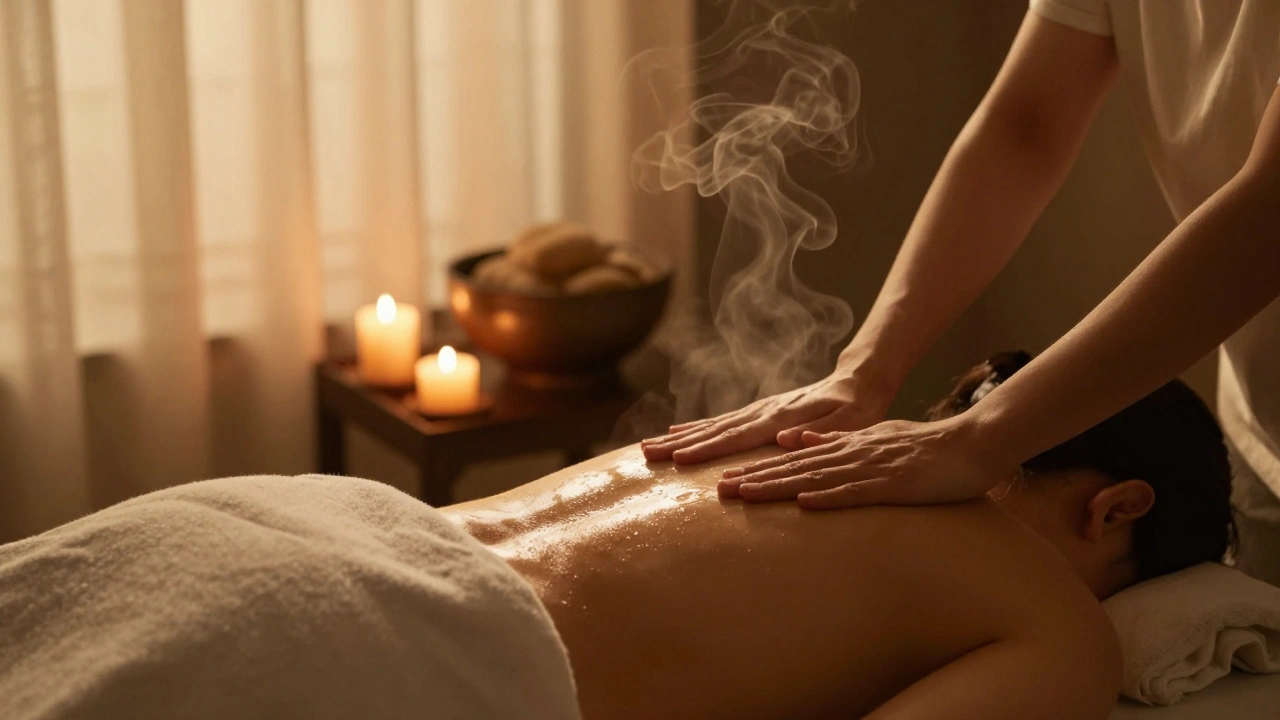
Swedish massage uses gentle strokes to reduce stress, improve circulation, and promote deep relaxation. It’s one of the most effective, science-backed ways to reset your body and mind without medication or intense therapy.