Have you ever walked past a row of bright green bottles in the grocery store and wondered if that sludge inside could actually fix your energy levels? You are not alone. The world of health juices can feel intimidating. There are blenders, masticating machines, centrifugal spinners, and a dozen different recipes promising everything from glowing skin to superhuman stamina. But here is the truth: making healthy juice at home is simpler than it looks, and you do not need expensive equipment to start.
This guide cuts through the noise. We will look at why people drink juice, what equipment you actually need, how to pick ingredients that taste good, and how to avoid common mistakes like wasting food or ending up with a sugary mess. Whether you want to boost your vitamin intake or just find a refreshing alternative to soda, this is your starting point.
Why Juice Instead of Just Eating Whole Fruit?
You might be thinking, "Why bother juicing when I can just eat an apple?" It is a fair question. Whole fruits and vegetables are packed with fiber, which is great for digestion and keeping you full. However, juicing extracts the liquid nutrients while removing most of the insoluble fiber. This means your body can absorb vitamins, minerals, and antioxidants much faster. Think of it as giving your cells a quick-hit dose of nutrition without the heavy digestive work.
For many beginners, the main benefit is volume. How many carrots can you realistically eat in one sitting? Maybe two or three before you get bored. But you can easily drink the juice of five or six carrots mixed with some apples and ginger. It allows you to consume a wider variety of produce than you might normally cook or eat raw. Just remember, because the fiber is gone, these drinks are not meal replacements. They are supplements to a balanced diet.
Picking Your First Machine: No Need to Break the Bank
The biggest hurdle for newbies is often the equipment. You do not need a $500 industrial machine to make great juice. Here is a breakdown of the three main types of tools you will encounter:
- Centrifugal Juicers: These are the most common and affordable options. They use a fast-spinning metal blade to shred produce against a mesh filter. They are fast and easy to clean, but they introduce more air into the juice, which can cause oxidation (browning) quickly. Best for hard fruits and veggies like apples and carrots.
- Masticating (Slow) Juicers: These crush and squeeze the produce slowly. They extract more juice, especially from leafy greens like spinach and kale, and the juice lasts longer in the fridge. They are more expensive and slower to use, but they yield higher quality results.
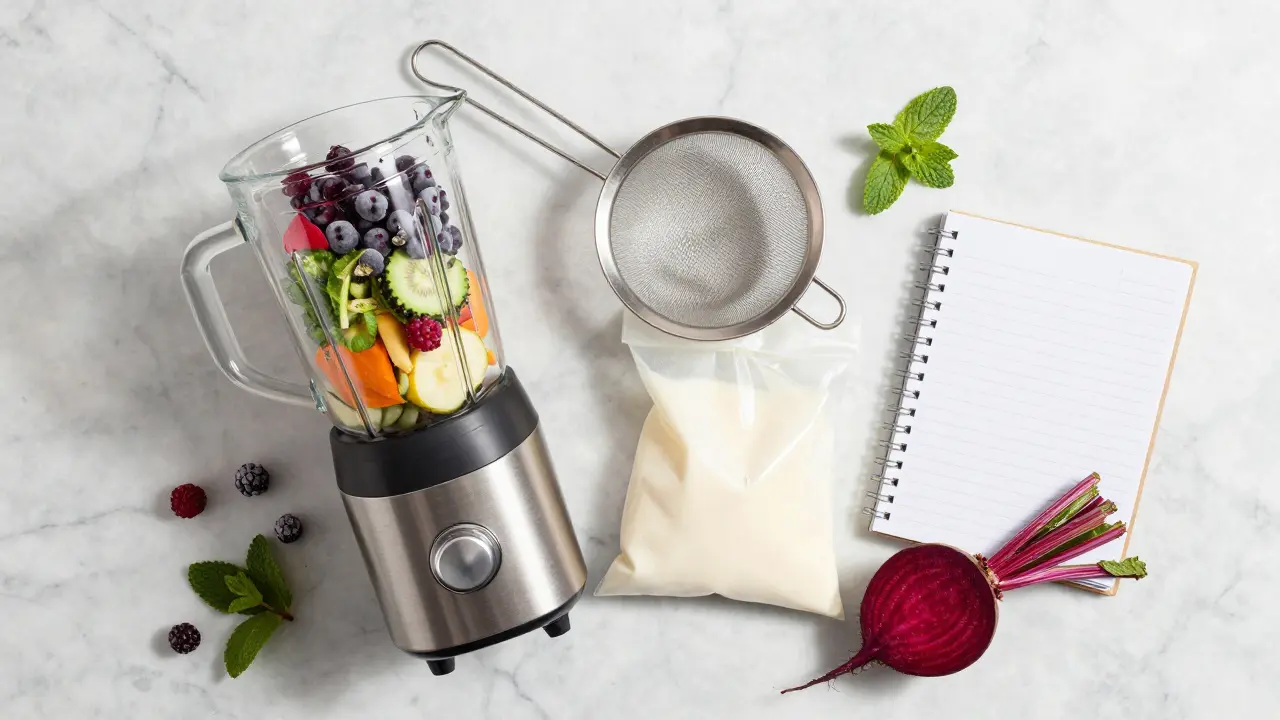
- Blenders: If you already own a decent blender, you can start today. Blend your fruit and veg with water, then strain the mixture through a nut milk bag or a fine-mesh sieve. It takes a bit more effort, but it costs nothing extra and makes a thicker, smootherie-like consistency.
If you are on a budget, start with a blender or a basic centrifugal juicer. As you get hooked and decide to add leafy greens to your routine, you can upgrade later.
The Golden Ratio: Balancing Sweetness and Bitterness
New juicers often make one mistake: they go too heavy on the bitter greens or too heavy on the sweet fruit. Neither works well. Too much kale tastes like soap; too much apple tastes like sugar water. The secret is balance. Use the "60-30-10" rule as a starting framework:
- 60% Base Ingredients: These provide the bulk and sweetness. Apples, carrots, beets, and cucumbers fall here. They make the juice palatable.
- 30% Functional Greens: These add the health punch. Spinach, celery, romaine lettuce, and zucchini. They don't overpower the flavor but add nutrients.
- 10% Flavor Boosters: These add zing and depth. Ginger, lemon, lime, turmeric, or mint. A small amount goes a long way.
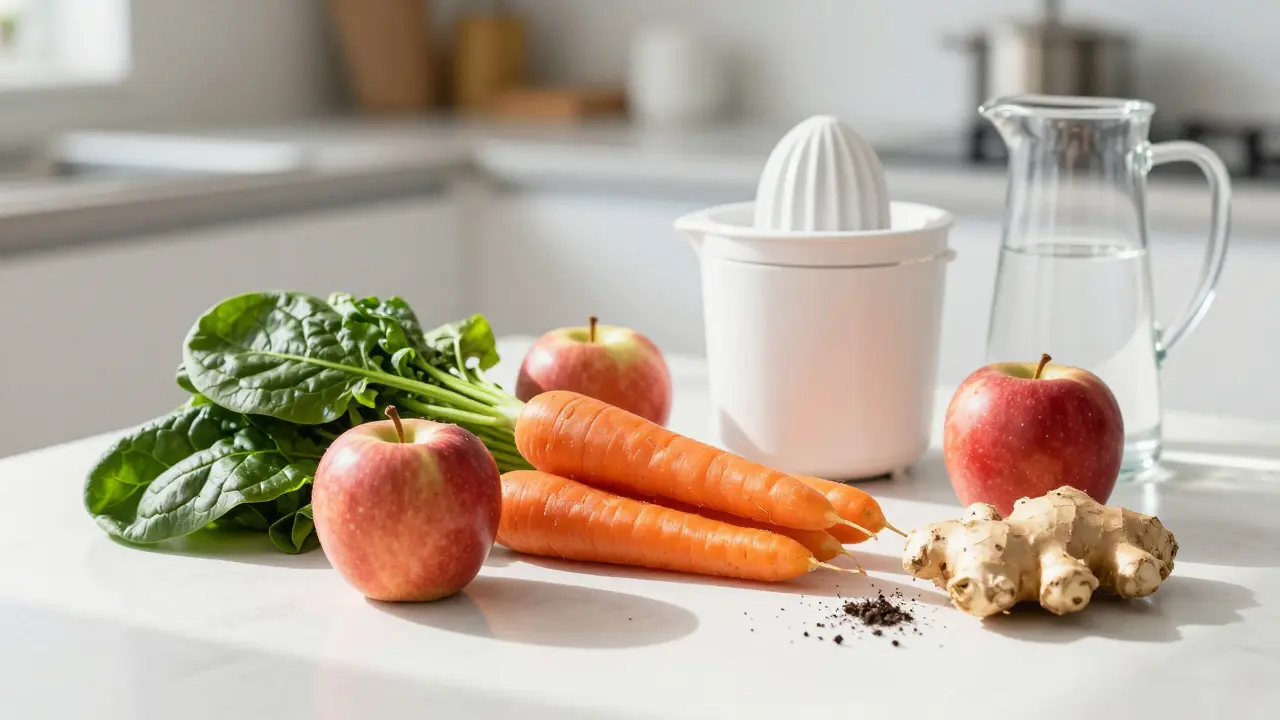
Start simple. A classic beginner blend is 4 apples, 2 carrots, and a thumb-sized piece of ginger. Once you master that, try swapping half the apples for cucumber or adding a handful of spinach. Taste as you go. Your palate will adjust over time.
Three Easy Recipes to Start With
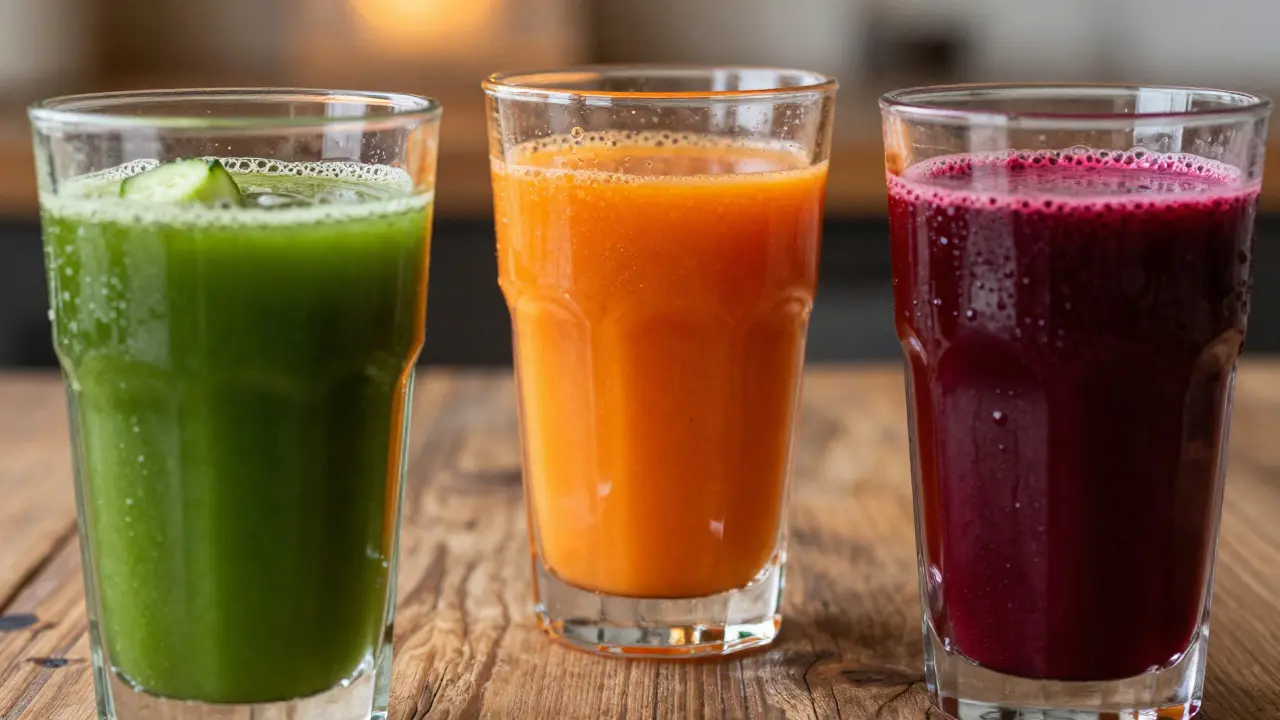
Here are three reliable recipes that cover different flavor profiles. Adjust quantities based on the size of your produce.
- The Green Glow: 2 green apples, 1 cucumber, 1 inch of ginger, juice of half a lemon. This is crisp, slightly tart, and very hydrating.
- Carrot Orange Zest: 4 carrots, 2 oranges (peeled), 1 inch of turmeric root (or 1/2 tsp powder). Sweet, earthy, and anti-inflammatory.
- Berry Beet Blast: 1 beet (scrubbed clean), 1 cup frozen berries, 1 apple. Deep red, antioxidant-rich, and naturally sweet.
Note on preparation: Always wash your produce thoroughly. For organic produce, a vinegar rinse helps remove pesticides. For non-organic, peeling harder skins like apples and beets can reduce chemical exposure, though scrubbing well is also effective.
Common Mistakes Newbies Make
Avoiding these pitfalls will save you money and frustration.
- Ignoring Oxidation: Fresh juice starts losing nutrients within minutes of being made. Drink it immediately for maximum benefit. If you must store it, keep it in an airtight glass bottle in the fridge and consume within 24 hours. Masticated juices last slightly longer (up to 48 hours).
- Sugar Overload: Fruit juice is concentrated sugar. While natural, it still spikes blood glucose. Limit high-sugar fruits like grapes and mangoes. Pair them with bitter greens or protein sources if possible.
- Wasting Pulp: That leftover fibrous pulp is nutritious. Don't throw it away. Add it to smoothies, bake it into muffins, or compost it. It’s free fiber!
- Not Cleaning Immediately: Dried juice residue is a nightmare to scrub off. Rinse your machine parts right after use. Most centrifugal juicers take less than two minutes to clean.
Is Juicing Right for Everyone?
Juicing is generally safe for healthy adults. However, if you have diabetes, kidney issues, or are on medication, consult your doctor first. The high concentration of potassium in certain juices (like carrot and beet juice) can affect kidney function in susceptible individuals. Also, because juice lacks fiber, it does not keep you full for long. Do not replace meals with juice unless advised by a healthcare professional. Think of it as a nutrient-dense beverage, not a diet plan.
Next Steps for Your Juice Journey
Start small. Buy one type of vegetable you usually ignore, like celery or fennel, and pair it with something you love, like apple. Experiment with flavors. Keep a notebook of what you like and dislike. Over time, you will develop your own signature blends. Remember, consistency matters more than perfection. Even drinking one glass of fresh juice a few times a week can make a noticeable difference in how you feel.
How long does fresh juice last in the fridge?
Freshly centrifuged juice should be consumed within 24 hours for best nutrient retention. Masticated (slow) juiced can last up to 48 hours if stored in an airtight container filled to the top to minimize oxygen exposure. Always refrigerate immediately.
Can I drink juice every day?
Yes, most healthy adults can enjoy fresh juice daily as part of a balanced diet. Aim for 8-16 ounces per serving. Be mindful of sugar content and ensure you are still eating whole foods with fiber throughout the day.
Do I need to peel my fruits and vegetables?
It depends on the produce. Hard-skinned fruits like apples and pears benefit from peeling if they are not organic, to remove wax and pesticides. Leafy greens and soft fruits like berries should be washed thoroughly but not peeled. Citrus fruits must always be peeled.
What is the best time of day to drink juice?
Many people prefer morning on an empty stomach for quick absorption, but there is no strict rule. Drinking juice mid-morning as a snack or post-workout for hydration is also excellent. Avoid drinking large amounts late at night if you are sensitive to sugar spikes before sleep.
Is blended juice better than juiced?
Blended juices (smoothies) retain all the fiber, which is better for digestion and satiety. Juiced drinks offer faster nutrient absorption and a lighter texture. Both are healthy; choose based on whether you want a filling meal replacement (smoothie) or a light nutrient boost (juice).