Imagine pressing your thumb firmly into the webbing between your thumb and index finger. You feel a dull ache, maybe a little tingling. Within minutes, that nagging headache you’ve had all morning starts to fade. This isn’t magic. It’s acupressure, an ancient technique with roots in Traditional Chinese Medicine (TCM) that is finally getting the scientific attention it deserves.
For centuries, acupressure has been used alongside acupuncture, sharing the same map of energy lines called meridians. But while acupuncture uses needles, acupressure relies on manual pressure. The question isn’t whether it works-many people swear by it-but *why* it works. Modern science is peeling back the layers of this practice, revealing mechanisms involving nerve stimulation, blood flow, and brain chemistry.
The Core Theory: Qi and Meridians
To understand the science, we first have to look at the traditional framework. In TCM, health depends on the smooth flow of Qi (vital energy) through the body. When Qi gets blocked or stagnates, pain and illness occur. Acupressure aims to unblock these pathways by applying pressure to specific points along the meridians.
Skeptics often dismiss Qi as mystical nonsense. However, modern researchers propose a more tangible explanation: these "energy lines" may correspond to fascial planes, nerve bundles, or areas of high electrical conductivity in the skin. Whether you call it Qi or bio-electrical signaling, the result is the same: stimulating these points triggers a physiological response.
Nerve Stimulation and Pain Gate Control
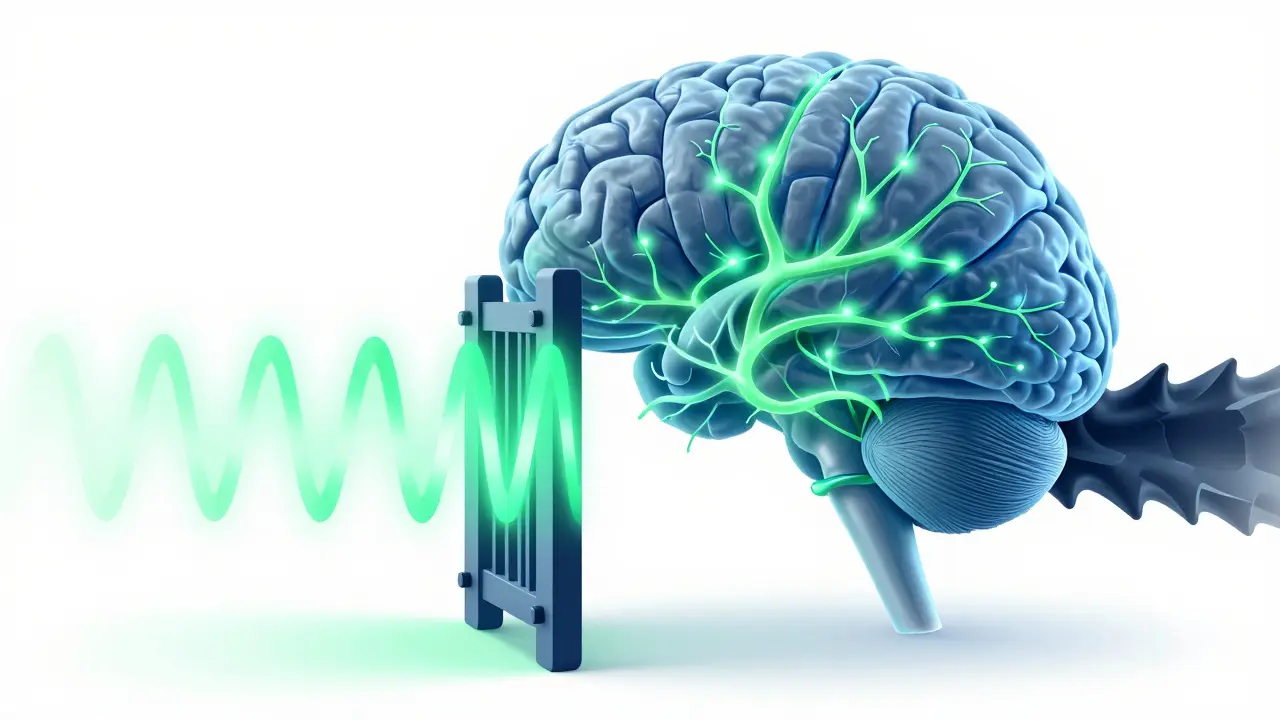
One of the most robust scientific explanations for acupressure involves the nervous system. When you apply firm pressure to an acupoint, you stimulate sensory nerves in the skin and underlying tissues. These signals travel to the spinal cord and up to the brain.
This process aligns with the Gate Control Theory of Pain. Imagine your spinal cord has a "gate" that controls how much pain signal reaches your brain. By stimulating non-painful sensations (like the pressure from your thumb), you can effectively close that gate, blocking or reducing the transmission of pain signals. This is why rubbing a bumped shin helps-it distracts the nervous system.
Furthermore, deep pressure stimulates larger nerve fibers (A-beta fibers) which inhibit the smaller pain-carrying fibers (C-fibers). This mechanism provides immediate, localized relief for conditions like tension headaches, lower back pain, and joint stiffness.
Releasing Endorphins and Neurotransmitters
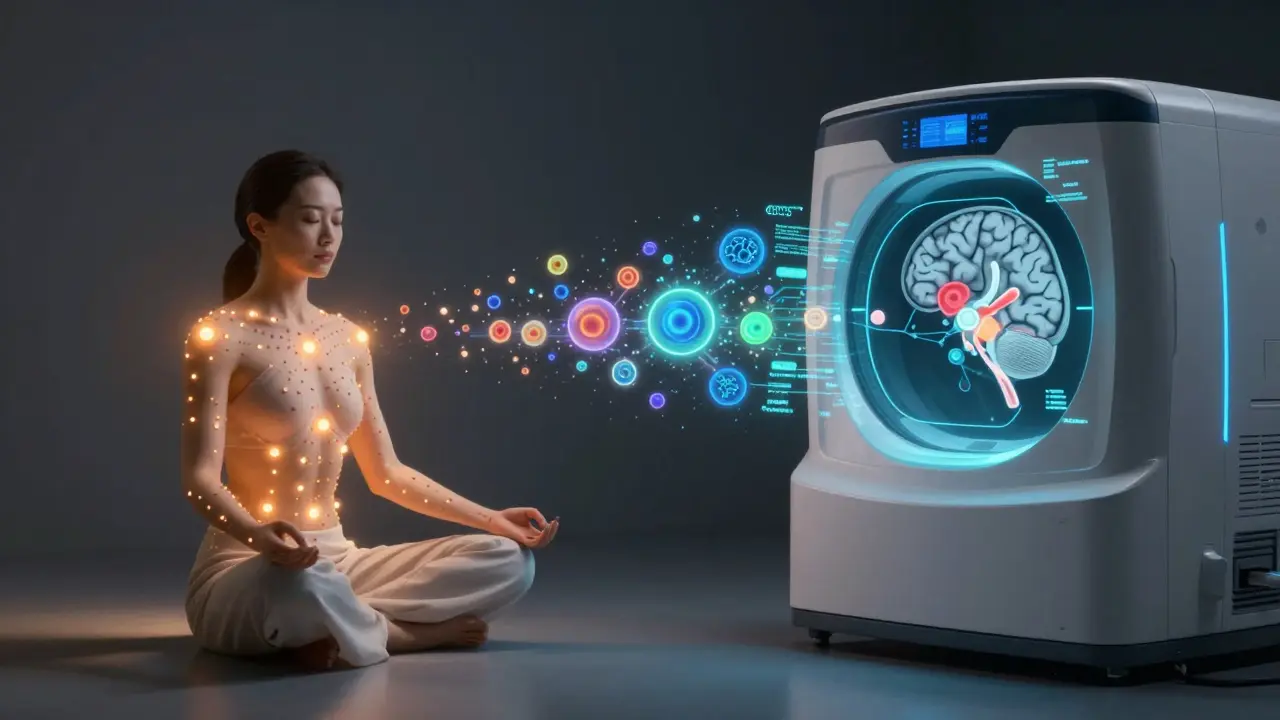
Acupressure doesn’t just block pain; it actively changes your brain chemistry. Studies using functional MRI (fMRI) scans show that stimulating acupoints activates specific regions of the brain associated with pain regulation and emotion.
When you press certain points, your body releases endorphins, natural painkillers produced by the pituitary gland. These opioids bind to receptors in the brain, reducing the perception of pain and inducing feelings of well-being. Additionally, acupressure can influence levels of serotonin and dopamine, neurotransmitters linked to mood and relaxation.
This explains why acupressure is effective not just for physical pain, but also for anxiety and stress. The release of these chemicals creates a calming effect, lowering heart rate and reducing muscle tension throughout the body.
Blood Flow and Local Healing
Pressure isn’t just about nerves; it’s also about circulation. Applying sustained pressure to a point increases local blood flow once the pressure is released. This phenomenon, known as reactive hyperemia, delivers oxygen and nutrients to tissues while helping to remove metabolic waste products like lactic acid.
Improved circulation aids in tissue repair and reduces inflammation. For athletes dealing with sore muscles or individuals with chronic inflammatory conditions, this enhanced blood flow can accelerate recovery and reduce swelling. The mechanical pressure also helps break up adhesions in connective tissue, improving mobility and range of motion.
Key Acupressure Points and Their Scientific Backing
While there are hundreds of acupoints, several have gained significant recognition in both clinical practice and research. Here are some of the most commonly used points and what science says about them:
| Point Name | Location | Primary Use | Scientific Mechanism |
|---|---|---|---|
| Hegu (LI4) | Webbing between thumb and index finger | Pain relief, headaches, dental pain | Strong activation of pain-modulating brain regions; releases endorphins |
| Zusanli (ST36) | Four finger-widths below kneecap, one finger-width outside shin bone | Digestion, fatigue, immune support | Stimulates vagus nerve; improves gastrointestinal motility |
| Neiguan (PC6) | Inner wrist, three finger-widths down from palm crease | Nausea, motion sickness, anxiety | Modulates autonomic nervous system; reduces nausea signals |
| Yongquan (KI1) | Sole of foot, in the depression when toes are curled | Insomnia, stress, dizziness | Grounding effect; promotes parasympathetic nervous system activity |
Acupressure vs. Acupuncture: What’s the Difference?
If acupressure and acupuncture share the same points, why choose one over the other? Both aim to balance the body’s energy, but their methods differ significantly.
Acupuncture involves inserting thin needles into the skin. It tends to be more invasive and requires a licensed practitioner. Needles can penetrate deeper tissues, potentially reaching different nerve endings and muscle layers. Some studies suggest acupuncture may be more effective for chronic pain conditions due to this deeper stimulation.
Acupressure is non-invasive and can be performed by anyone, including yourself. It’s safer for those who are needle-phobic or have bleeding disorders. While it may not reach the same depth as needles, the broad pressure can stimulate larger areas of tissue and fascia. For many people, especially for mild to moderate issues like stress, nausea, or tension headaches, acupressure is equally effective and far more accessible.
How to Practice Acupressure Safely
You don’t need special training to start exploring acupressure. However, proper technique matters. Here’s how to do it right:
- Use steady pressure: Don’t rub or massage the point. Apply firm, steady pressure with your thumb, finger, or knuckle. Hold for 5-10 seconds, then release. Repeat 3-5 times.
- Breathe deeply: Relax your body and breathe slowly. This enhances the parasympathetic response, making the treatment more effective.
- Avoid contraindications: Do not press on open wounds, bruises, or varicose veins. Pregnant women should avoid Hegu (LI4) and Neiguan (PC6) as they may stimulate uterine contractions.
- Listen to your body: Mild discomfort is normal, but sharp pain means you’re pressing too hard or in the wrong spot. Stop immediately if you feel dizzy or nauseous.
The Verdict: Is It Just Placebo?
Critics argue that any benefit from acupressure is merely the placebo effect-the power of belief. While placebo effects are real and powerful, numerous controlled studies show that acupressure produces measurable physiological changes beyond expectation alone.
fMRI scans reveal actual brain activity changes. Blood tests show altered hormone levels. Heart rate monitors demonstrate shifts in autonomic nervous system balance. These aren’t subjective feelings; they’re objective data. Acupressure works because it physically interacts with your body’s systems-nerves, blood vessels, and muscles-in ways that promote healing and relaxation.
It’s not a cure-all, and it shouldn’t replace medical treatment for serious conditions. But as a complementary therapy for pain management, stress reduction, and overall wellness, the science supports its use. The next time you feel stressed or in pain, try pressing a point. Your body might just surprise you.
Does acupressure really work for pain?
Yes, multiple studies show acupressure can reduce pain by stimulating nerves and releasing endorphins. It’s particularly effective for headaches, back pain, and menstrual cramps. The Gate Control Theory explains how pressure blocks pain signals from reaching the brain.
Is acupressure safe for everyone?
Generally, yes. It’s non-invasive and has few side effects. However, pregnant women should avoid certain points like LI4 and PC6. People with bleeding disorders or osteoporosis should consult a doctor before starting. Avoid pressing on broken skin or inflamed areas.
How long does it take for acupressure to work?
Effects can be immediate for acute issues like nausea or tension headaches. For chronic conditions, regular practice over weeks may be needed. Consistency is key-daily sessions yield better results than occasional treatments.
Can I do acupressure on myself?
Absolutely. Self-acupressure is common and easy to learn. Points like LI4 (hand) and ST36 (leg) are accessible. Use your thumbs or fingers to apply firm pressure. Online guides and apps can help you locate points accurately.
What is the difference between acupressure and massage?
Massage focuses on relaxing muscles and improving circulation through stroking and kneading. Acupressure targets specific points to influence energy flow and nervous system function. Massage is broader; acupressure is precise.