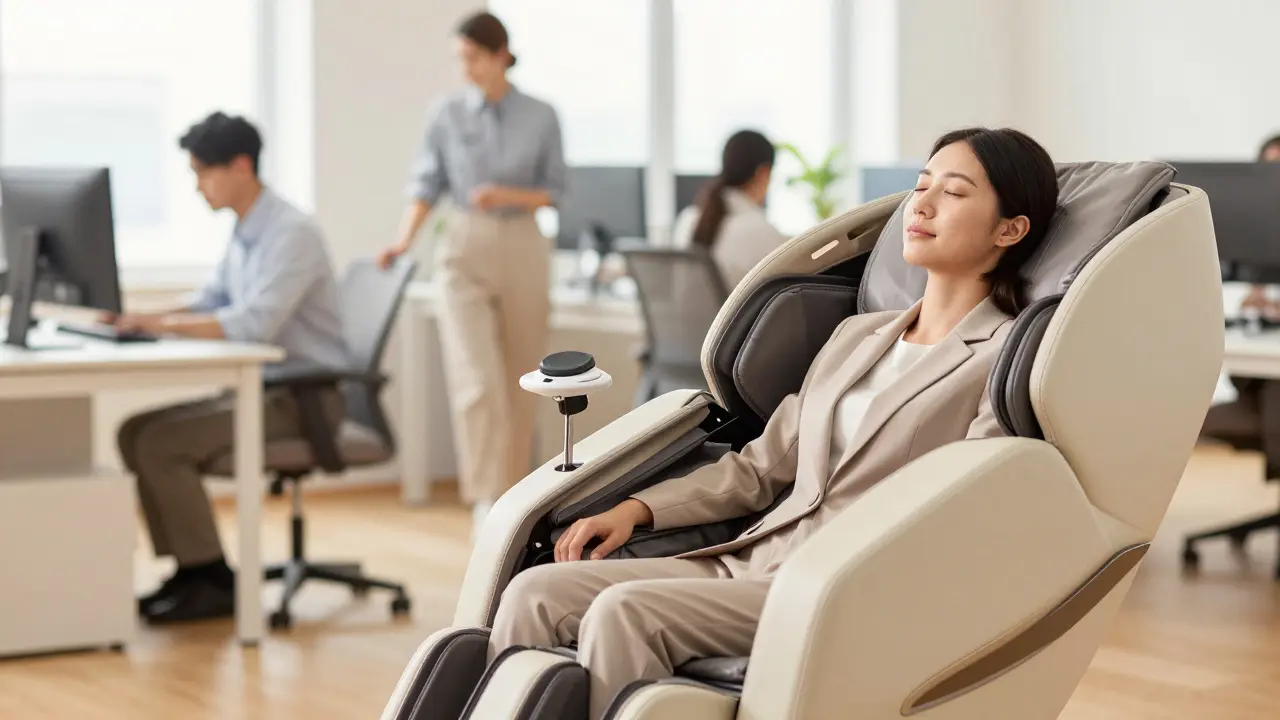
You sit at your desk. Your shoulders are tight. Your mind is racing through emails you haven’t answered yet. You don’t have time for a full hour-long spa session, but you feel like you’re about to snap. This is where chair massage steps in as a surprisingly powerful tool for mental health support.
We often think of massage therapy as something that requires lying down, oils, and a quiet room with dim lights. But chair massage challenges that idea. It happens right where you are-in the office, at a conference center, or even in a waiting room. Despite its simplicity, it delivers profound psychological benefits. Let’s look at why this quick, seated treatment might be exactly what your brain needs.
The Science Behind the Calm
It isn’t just about feeling relaxed for five minutes. The effects of chair massage on mental health are rooted in biology. When you receive a massage, your body reacts by lowering levels of cortisol, the primary stress hormone. High cortisol keeps you in a state of fight-or-flight, making it hard to focus, sleep, or relax. Studies published in journals like the Journal of Alternative and Complementary Medicine show that even short sessions can drop cortisol levels significantly.
At the same time, your brain releases serotonin and dopamine. These are neurotransmitters linked to mood regulation and pleasure. Serotonin helps stabilize your emotions, while dopamine gives you a sense of reward and motivation. So, when you get a chair massage, you aren’t just loosening up tight muscles; you are chemically shifting your brain from a stressed state to a balanced one.
This biological shift explains why many people report feeling clearer-headed after a session. It’s not magic-it’s neurochemistry working in your favor.
Breaking the Cycle of Anxiety
Anxiety often lives in the body. You might notice tension in your jaw, stiffness in your neck, or a knot in your stomach. These physical sensations feed back into your mind, creating a loop where stress causes tension, and tension makes you feel more stressed. Chair massage interrupts this cycle.
By applying pressure to key areas like the upper back, shoulders, and neck, the therapist helps release stored muscular tension. This physical release signals safety to your nervous system. Your parasympathetic nervous system-the part responsible for rest and digestion-kicks in. Heart rate slows. Breathing deepens. The immediate result is a noticeable drop in anxiety levels.
For someone dealing with generalized anxiety, these small moments of relief can accumulate. Regular sessions provide predictable pockets of calm throughout the week, helping to lower the overall baseline of stress.
Boosting Focus and Reducing Brain Fog
Mental fatigue is real. After hours of staring at screens, your cognitive resources drain. You experience brain fog, difficulty concentrating, and irritability. Chair massage acts as a reset button for your attention span.
The tactile stimulation increases blood flow to the brain. Better circulation means more oxygen and nutrients reach your neurons. This improved supply enhances cognitive function. Many professionals use midday chair massages to break up long workdays. They return to their desks feeling refreshed rather than drained.
Think of it like closing a tab in your browser. The massage clears out the background noise of physical discomfort, allowing your mind to allocate more energy to the task at hand. Productivity doesn’t just come from working harder; it comes from working smarter, and a clear mind works smarter.

Social Connection Without the Pressure
Mental health isn’t just about internal chemistry; it’s also about connection. Loneliness and isolation are major contributors to depression and poor mental well-being. However, not everyone wants to talk about their feelings. Sometimes, non-verbal interaction is more comforting.
Chair massage offers human touch without the demand for conversation. In our digital world, genuine physical contact is rare. A brief, professional massage provides a moment of care and attention. It reminds you that you are seen and valued. This subtle social connection can alleviate feelings of isolation.
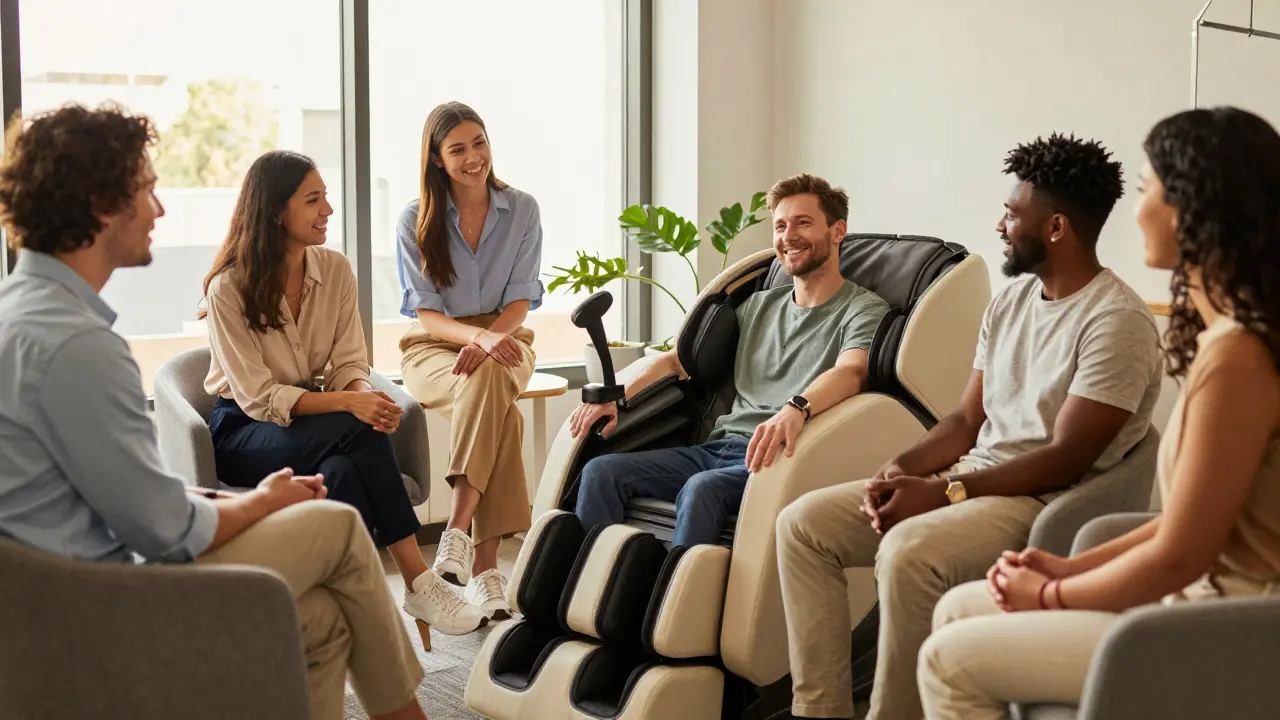
In workplace settings, group chair massage events also foster community. Colleagues share the experience, breaking down barriers and building camaraderie. These shared moments of relaxation strengthen team bonds, which indirectly supports individual mental health by creating a supportive environment.
Accessibility and Convenience
One of the biggest barriers to seeking help for mental health is access. Traditional therapy appointments require scheduling, travel, and often significant time commitments. Chair massage removes many of these obstacles.
You don’t need to change clothes. You don’t need to lie down. You can keep your shoes on. The session typically lasts between 10 and 30 minutes. This brevity makes it easy to fit into a busy schedule. Whether you take it during a lunch break or before a big meeting, the convenience lowers the threshold for self-care.
Because it is so accessible, people are more likely to use it consistently. Consistency is key in managing mental health. Small, regular interventions often yield better long-term results than occasional grand gestures.
| Feature | Chair Massage | Traditional Table Massage | Mindfulness Meditation |
|---|---|---|---|
| Time Required | 10-30 minutes | 60-90 minutes | 10-20 minutes (daily) |
| Preparation Needed | None (clothes on) | Changing clothes, undressing | Quiet space |
| Physical Touch | Yes (professional) | Yes (full body) | No |
| Immediate Relaxation | High | Very High | Variable (requires practice) |
| Cost Efficiency | Lower per minute | Higher total cost | Free/Low cost |
Integrating Chair Massage into Your Routine
To get the most mental health benefits, treat chair massage as part of your wellness toolkit, not a one-off luxury. Here is how you can integrate it effectively:
- Schedule Regular Sessions: Aim for weekly or bi-weekly treatments if possible. Consistency helps maintain lower baseline stress levels.
- Use It During Transitions: Book a session before high-stress events like presentations or difficult meetings. The calming effect can help you stay grounded.
- Combine with Breathwork: While receiving the massage, focus on deep, slow breathing. This amplifies the parasympathetic response and enhances relaxation.
- Communicate Your Needs: Tell the therapist if you are particularly tense in certain areas. Targeted pressure can provide deeper relief.
- Pair with Other Practices: Use chair massage alongside other habits like exercise, adequate sleep, and healthy eating. It complements these efforts by addressing physical tension.
Addressing Common Concerns
Some people hesitate because they worry about awkwardness or professionalism. Rest assured, licensed massage therapists are trained to maintain strict boundaries. The focus is entirely on therapeutic benefit. There is no expectation of intimacy beyond the professional touch required for the technique.
Others wonder if it really works compared to traditional massage. While table massage allows for full-body work, chair massage targets the areas where we hold the most daily stress: the neck, shoulders, and back. For mental health purposes, relieving tension in these specific zones is highly effective. You don’t need to treat your feet to calm your mind.
Can chair massage replace therapy for mental health issues?
No, chair massage should not replace professional therapy for clinical conditions like depression or anxiety disorders. It is a complementary tool that helps manage symptoms and reduce stress, but it does not address underlying psychological root causes. Always consult a healthcare provider for serious mental health concerns.
How long does it take to feel the mental health benefits?
Many people feel an immediate sense of calm and relaxation right after the session. The chemical changes in cortisol and serotonin happen quickly. However, for lasting improvements in mood and stress resilience, regular sessions over weeks are more effective than a single treatment.
Is chair massage suitable for everyone?
Most people can benefit from chair massage, but there are exceptions. If you have recent injuries, severe osteoporosis, or skin conditions in the treatment area, consult your doctor first. Pregnant individuals should also seek medical advice before undergoing any massage therapy.
What techniques are used in chair massage?
Therapists typically use Swedish massage techniques, including effleurage (long strokes), petrissage (kneading), and tapotement (rhythmic tapping). They may also incorporate acupressure points to stimulate energy flow and relieve tension. The goal is to work through clothing without causing friction or irritation.
Can I get a chair massage if I wear formal business attire?
Yes, absolutely. Chair massage is designed to be performed over clothing. Therapists use smooth, gliding motions that do not wrinkle or damage fabric. Just ensure your clothes are comfortable enough to allow movement. Avoid wearing restrictive jewelry or accessories that might interfere with the treatment.