What if your body already knows how to heal itself-and all it needs is a little nudge in the right direction? That’s the quiet promise behind ortho-bionomy, a therapy that doesn’t force, stretch, or crack anything. Instead, it listens. It follows. And surprisingly, that’s often enough to unlock deep relief from chronic pain, stiffness, and stress.
What Exactly Is Ortho-Bionomy?
Ortho-bionomy is a non-invasive, gentle bodywork method developed in the 1970s by British osteopath Arthur Lincoln Pauls. It combines principles from osteopathy, judo, and biomechanics, but it’s not like massage or chiropractic care. You don’t lie there while someone manipulates your spine. Instead, you’re guided to move slightly into positions where your body naturally feels more comfortable. The idea? Your nervous system already recognizes what’s out of balance. It just needs a safe, pain-free way to remember how to correct it.
Think of it like this: if your shoulder has been tight for months, your brain has accepted that tightness as normal. Ortho-bionomy doesn’t try to force it loose. It helps you find a position where the tightness melts away-just a little-and your body says, “Oh, right. This feels better.” Then, it remembers how to return there on its own.
How It Works: The Power of Comfort, Not Force
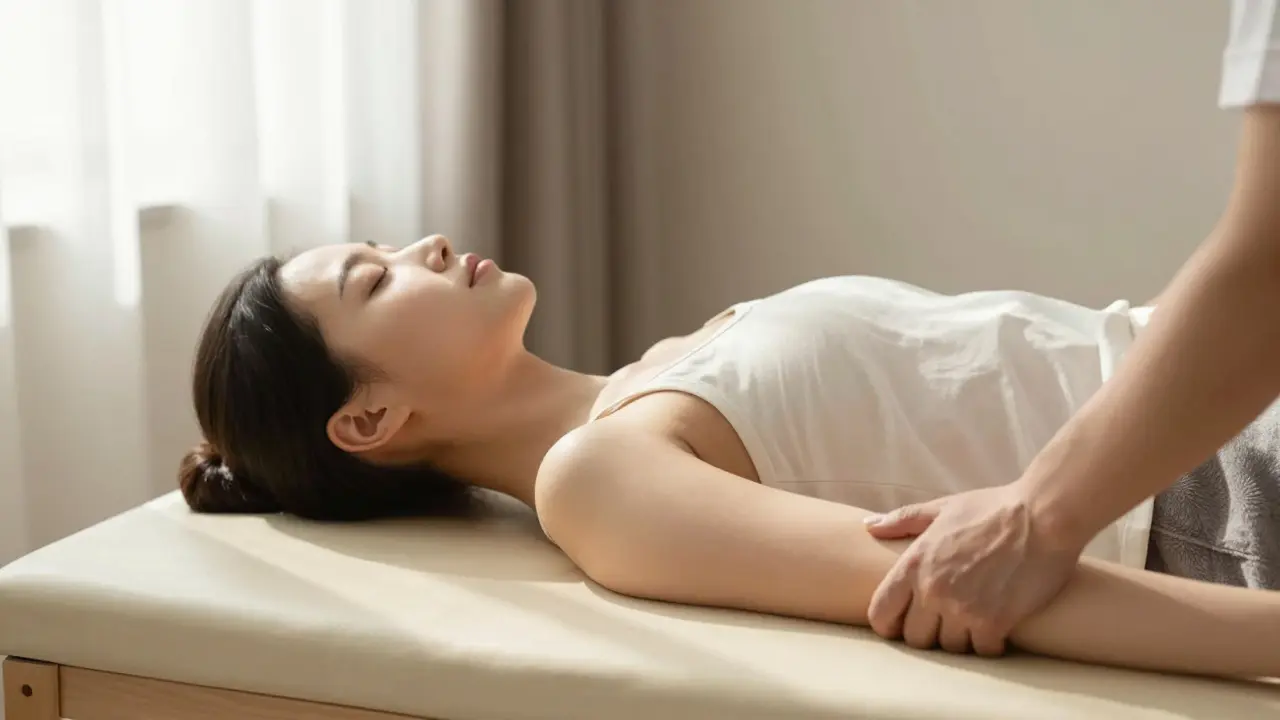
Unlike other therapies that push past resistance, ortho-bionomy works with what’s already there. A practitioner will gently guide your limb or spine into a position that feels slightly easier-maybe just a few millimeters of movement. Then they wait. No pushing. No holding. No adjustments. Just stillness.
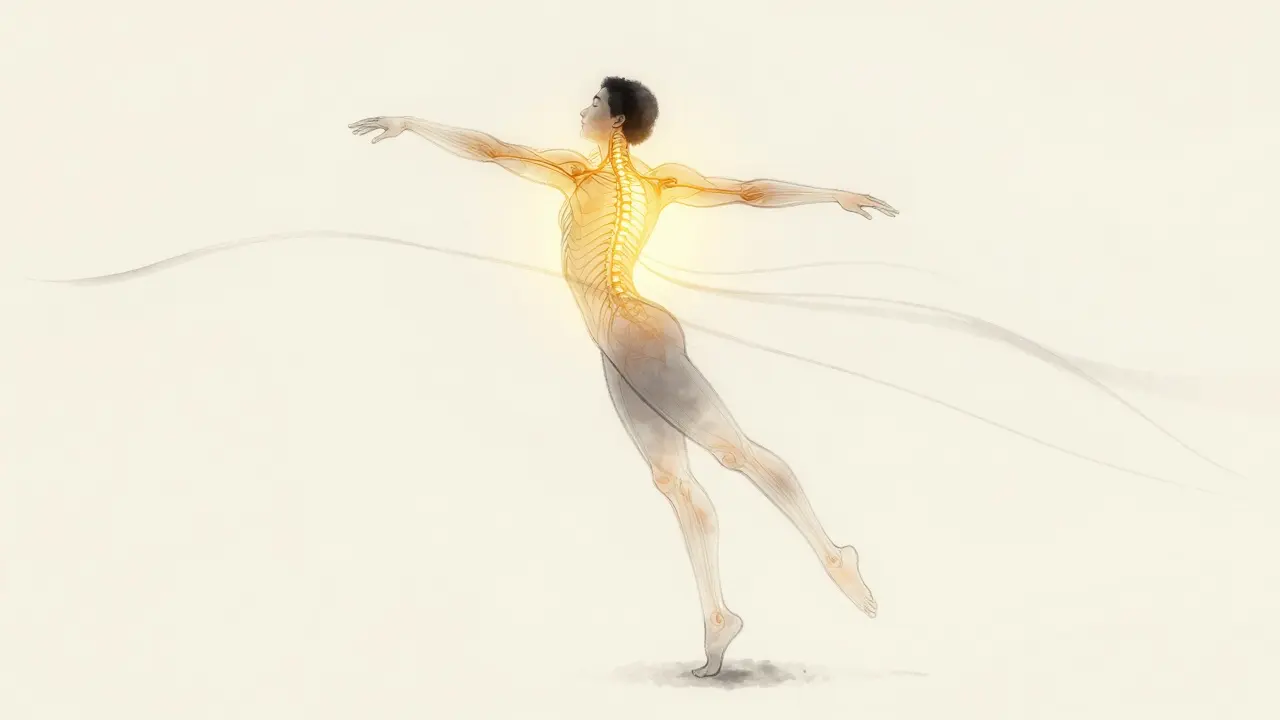
Within seconds, your muscles often release. Your breathing deepens. You might even feel a subtle shift, like a joint settling back into place. That’s not the practitioner fixing you. That’s your own nervous system recognizing a more balanced position and letting go of the tension it’s been holding onto.
It works because pain and stiffness are often signals from your nervous system saying, “This position is unsafe.” Ortho-bionomy doesn’t challenge that signal. It offers a safer alternative, and your body takes it.
Who Benefits Most From Ortho-Bionomy?
You don’t need to be injured to benefit. In fact, many people who’ve tried everything else-physical therapy, chiropractic, acupuncture-turn to ortho-bionomy when other methods feel too aggressive.
- People with chronic back or neck pain that won’t quit
- Those recovering from surgery or injury who can’t handle deep pressure
- Seniors with joint stiffness or arthritis
- Office workers with tension headaches and tight shoulders
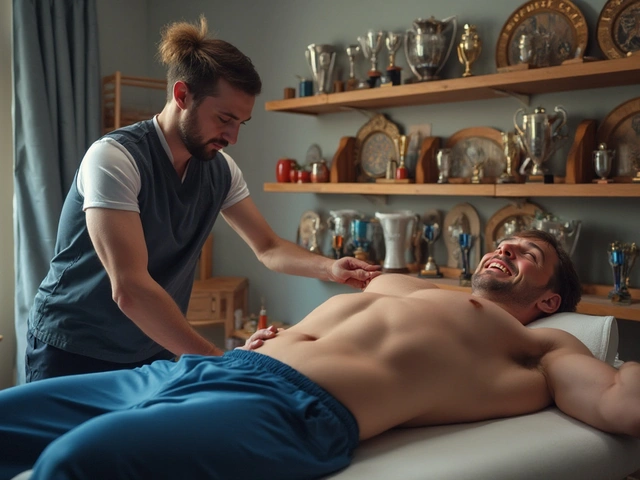
- Athletes looking for recovery without added strain
- Anyone dealing with stress-induced muscle guarding
One woman in Edmonton, who’d lived with migraines for 12 years, found relief after just three sessions. She wasn’t massaged or adjusted. She was guided to tilt her head slightly to the side until it felt easier. That tiny shift, repeated over time, rewired her nervous system’s response to tension. She now goes months without a headache.
What Happens During a Session?
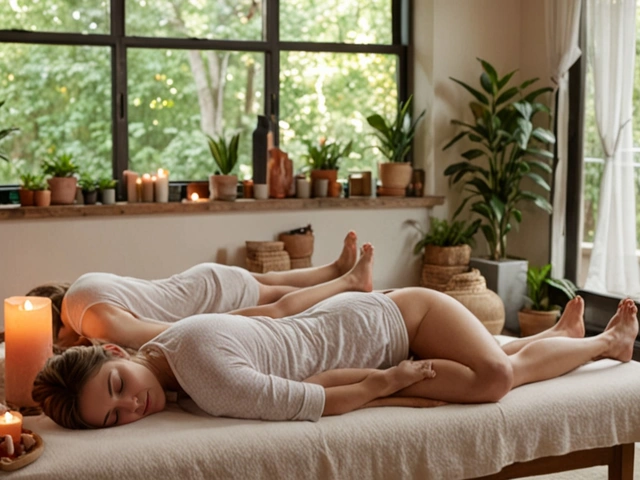
A typical session lasts about 60 minutes. You stay fully clothed-no oils, no undressing. You lie on a table, sit in a chair, or even stand. The practitioner starts by asking where you feel discomfort. Then, they move you slowly into positions that feel slightly better than your usual state.
There’s no pain. No popping. No pressure. If something feels uncomfortable, you say so, and they back off. The whole point is to stay within your comfort zone. That’s how trust builds-with your body, and with the process.
Some people feel immediate relief. Others notice changes over the next few days: better sleep, less stiffness in the morning, easier breathing. The effects are cumulative. Three to five sessions are often enough to see lasting shifts.

Self-Correction: The Real Magic
What makes ortho-bionomy different is that you’re taught to do it yourself. Practitioners don’t just treat you-they show you how to find those comfortable positions on your own. You learn to notice where your body feels stuck, then gently guide it into relief.
For example: if your lower back feels tight after sitting all day, you might learn to lie on your back with your knees bent and gently rock side to side until the tension softens. Or, if your shoulders are hunched, you might find a position where your arms hang loosely and your chest opens naturally. You hold it for a few breaths. And then, you let go.
These aren’t exercises. They’re invitations. Your body doesn’t have to “do” anything. It just has to feel safe enough to relax.
Why It’s Different From Massage or Chiropractic
Massage works on muscles. Chiropractic works on bones. Ortho-bionomy works on the nervous system.
Massage might feel good, but it doesn’t always change how your body holds tension long-term. Chiropractic adjustments can help, but if your nervous system still feels unsafe, it’ll tighten right back up. Ortho-bionomy doesn’t fight that. It works with it.
It’s also completely passive. You don’t need to be strong, flexible, or motivated. You just need to be willing to feel. That’s why it’s so effective for people with trauma, anxiety, or chronic fatigue-conditions where force-based therapies can feel overwhelming.
Scientific Support and Growing Recognition
While ortho-bionomy hasn’t been studied as widely as yoga or physical therapy, research in neuroplasticity and pain science supports its core principles. Studies show that chronic pain is often maintained by the brain’s perception of threat-not tissue damage. Gentle, non-threatening movement can reduce that perception.
A 2021 pilot study in the Journal of Bodywork and Movement Therapies found that participants with chronic low back pain who received ortho-bionomy showed significant reductions in pain intensity and improved mobility after six sessions, with results lasting at least three months. No medications. No injections. Just gentle positioning.
It’s now taught in osteopathic schools in the UK, Canada, and the U.S., and practiced in clinics from Vancouver to Vienna.
What to Expect After Your First Session
Some people feel deeply relaxed. Others feel nothing at first. That’s normal. The changes are subtle. You might not notice until you wake up the next morning and realize your neck doesn’t ache when you turn your head. Or you sit down without bracing yourself. Or you breathe deeper without thinking about it.
Don’t expect miracles on day one. But do expect your body to start remembering what it’s been holding onto. The relief isn’t loud. It’s quiet. And that’s why it lasts.
How to Find a Practitioner
Ortho-bionomy practitioners are certified through international training programs. In Canada, look for those registered with the Ortho-Bionomy Society of Canada. Many work alongside physiotherapists, massage therapists, or in private wellness clinics.
Ask if they’ve completed the full certification (usually 400+ hours). Avoid anyone who claims to “fix” you in one session. Real ortho-bionomy is a conversation, not a fix.
Most practitioners offer a short consultation first. Use that time to ask: “Will you be moving me into positions that feel better, not stronger?” If they say yes, you’re on the right track.
Can You Try It at Home?
Yes. You don’t need a practitioner to start. The principles are simple:
- Notice where you feel tension-your jaw, shoulders, lower back, hips.
- Slowly, gently, move into a position that feels slightly easier. Even a millimeter counts.
- Stay there. Breathe. Don’t force anything.
- Wait for your body to soften. It might take 10 seconds. It might take a minute.
- When you feel it release, slowly return to neutral.
Try it before bed. Or after sitting for an hour. Or when you wake up. Do it five times a day. You’re not exercising. You’re retraining your nervous system.
Final Thought: Healing Doesn’t Always Need Force
Our culture celebrates strength. Pushing through. Fighting pain. But ortho-bionomy reminds us that sometimes, healing comes from yielding. From listening. From letting your body find its own way back to ease.
You don’t need to be broken to try it. You just need to be tired of being tight.
Is ortho-bionomy painful?
No. Ortho-bionomy is designed to be completely pain-free. If you feel discomfort, the practitioner will adjust. The method relies on your body’s natural ability to find comfort, not on forcing change. Pain is avoided at all costs-it’s the signal that the nervous system is on guard, and ortho-bionomy works by making the nervous system feel safe.
How many sessions do I need to see results?
Many people feel subtle shifts after one session, but lasting changes usually take three to five. Chronic conditions may require six to eight sessions over several weeks. The goal isn’t to fix you-it’s to help your body remember how to regulate itself. Once that happens, the effects often last for months.
Can ortho-bionomy help with stress and anxiety?
Yes. Chronic stress tightens muscles and keeps the nervous system in fight-or-flight mode. Ortho-bionomy gently signals safety to the body, which helps turn down the stress response. People often report deeper sleep, calmer thoughts, and less reactivity after regular sessions-not because they’re being “relaxed,” but because their nervous system is learning to reset.
Is ortho-bionomy safe for seniors or people with osteoporosis?
Absolutely. Because it uses no force, no twisting, and no pressure, it’s one of the safest therapies for older adults and those with fragile bones. Many seniors use it to maintain mobility, reduce stiffness, and improve balance without risk. Practitioners are trained to adapt movements to individual needs.
Can I combine ortho-bionomy with other treatments?
Yes. It complements physical therapy, massage, chiropractic care, and even medical treatments. Because it doesn’t interfere with the body’s chemistry or structure, it’s safe to use alongside medications, surgeries, or rehabilitation. In fact, many therapists recommend it as a gentle way to support recovery.
Next Steps: Try a Simple Self-Check
Right now, sit or stand still. Take a breath. Where do you feel tension? Is it in your jaw? Your shoulders? Your lower back? Now, gently move into a position that feels just a little easier. Hold it for three breaths. Don’t force it. Just notice. If you feel a softening-that’s ortho-bionomy in action. You don’t need a practitioner to begin. You just need to listen.