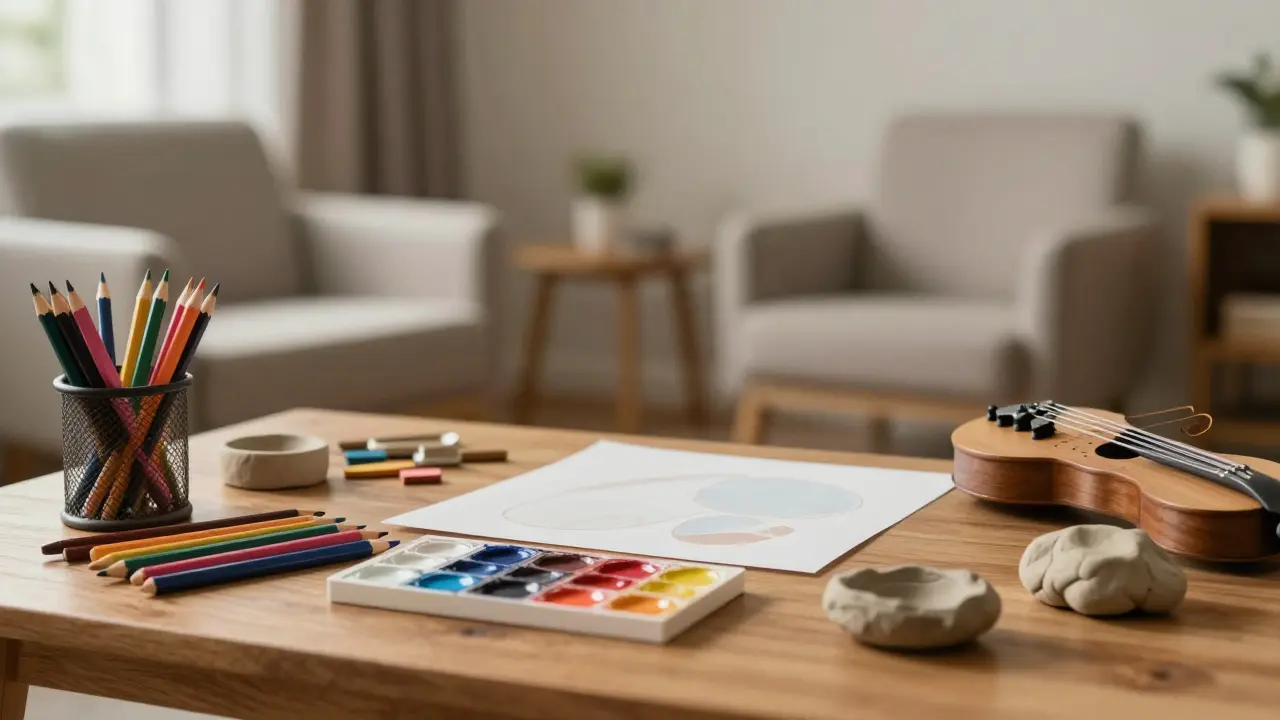
Imagine sitting across from a client who has experienced severe trauma. You ask them to describe their feelings, and they stare at the wall. Words fail. The neural pathways for language have shut down to protect them. In this moment, traditional talk therapy hits a brick wall. But then, you hand them a set of colored pencils or invite them to move their body in rhythm with music. Suddenly, the floodgates open. This is why creative arts therapies are rapidly moving from the fringe to the center of modern mental health care.
Therapists in Ottawa and beyond are no longer viewing these methods as 'nice-to-have' add-ons. They are recognizing that human expression is not limited to speech. When words are insufficient, color, movement, sound, and story become the primary vehicles for healing. This shift represents a fundamental change in how we understand the brain’s ability to process emotion and trauma.
The Limitations of Talk Therapy
Talk therapy, specifically Cognitive Behavioral Therapy (CBT) and psychodynamic approaches, relies heavily on the prefrontal cortex-the part of the brain responsible for logic, planning, and language. It works brilliantly for anxiety, mild depression, and behavioral modification. However, it often struggles with deep-seated trauma stored in the limbic system and the amygdala.
When a person experiences extreme stress, the brain prioritizes survival over communication. The verbal centers can go offline. This is known as dissociation. A therapist might spend months trying to get a client to articulate an event, only to find that the memory remains fragmented and inaccessible through dialogue alone. Creative arts therapies bypass this blockage by engaging different parts of the brain. They allow clients to externalize internal chaos without needing to translate it into sentences first.
| Feature | Traditional Talk Therapy | Creative Arts Therapies |
|---|---|---|
| Primary Mechanism | Verbal processing & cognitive restructuring | Sensory engagement & symbolic expression |
| Brain Region Targeted | Prefrontal Cortex (Logic) | Limbic System & Amygdala (Emotion) |
| Best For | Anxiety, phobias, relationship issues | Trauma, PTSD, non-verbal clients |
| Client Barrier | Requires strong verbal skills | Low barrier; requires willingness to engage |
The Four Pillars of Expressive Treatment
Creative arts therapy is an umbrella term covering several distinct disciplines. Each modality offers unique benefits depending on the client's needs and preferences. Understanding these differences helps therapists choose the right tool for the job.
Art Therapy uses visual media like painting, drawing, and sculpting. It is particularly effective for clients who struggle with emotional regulation. Creating a physical object gives abstract feelings a concrete form. A client might paint a chaotic storm to represent their anger, allowing them to observe and manage that emotion from a safe distance.
Music Therapy involves listening to, creating, singing, or moving to music. Music directly influences heart rate, blood pressure, and cortisol levels. It is widely used in rehabilitation settings and for dementia care, where memories often remain attached to songs even when facts fade.
Dance/Movement Therapy focuses on the connection between body and mind. Trauma often manifests physically as tension or posture changes. By exploring movement patterns, clients can release stored physical tension and regain a sense of agency over their bodies.
Drama Therapy utilizes role-play, storytelling, and improvisation. It allows individuals to explore different perspectives and rehearse new behaviors in a safe environment. This is especially powerful for social anxiety and identity issues.
Neuroplasticity and Healing
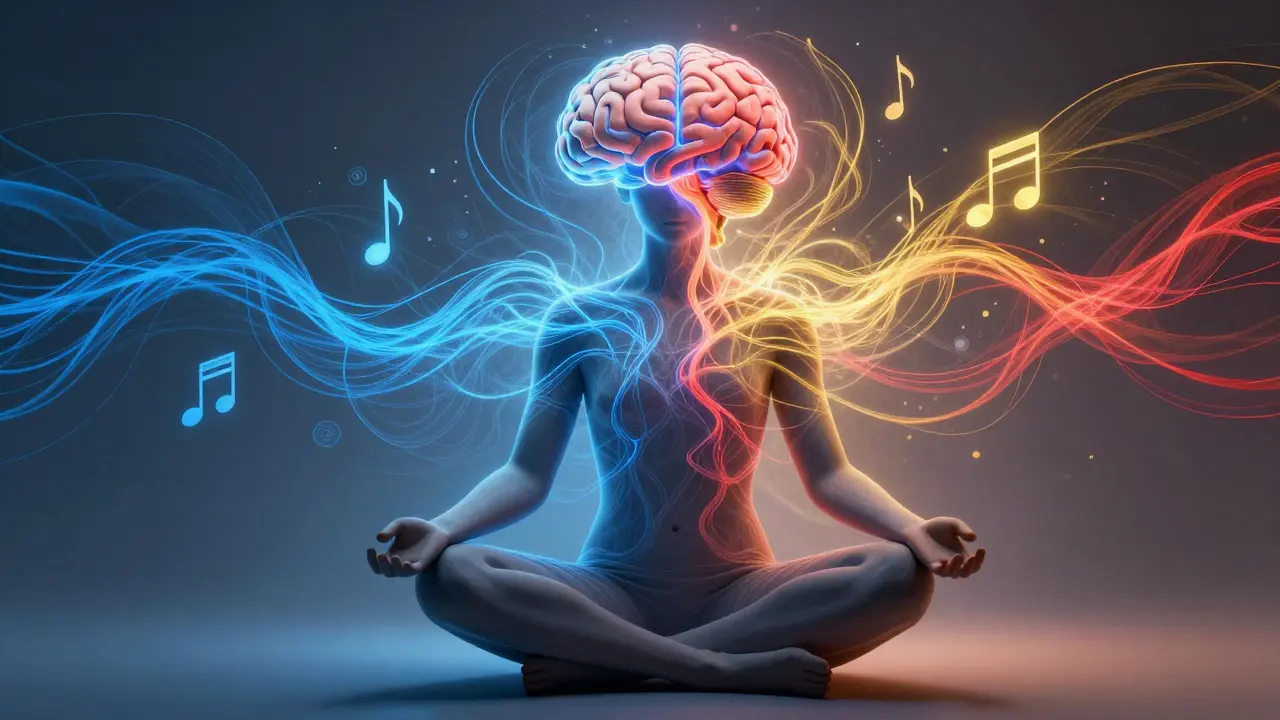
The scientific backing for these methods has grown significantly in recent years. Neuroplasticity refers to the brain's ability to reorganize itself by forming new neural connections. Engaging in creative activities stimulates multiple areas of the brain simultaneously-visual, motor, auditory, and emotional centers.
Research indicates that integrating creative arts into treatment can enhance neuroplasticity more effectively than verbal therapy alone for certain conditions. For example, studies on Post-Traumatic Stress Disorder (PTSD) show that expressive therapies help integrate traumatic memories that are otherwise stuck in the subconscious. This integration reduces flashbacks and hyperarousal. The brain learns that the threat is in the past, not the present.
Furthermore, the act of creation releases dopamine, the neurotransmitter associated with pleasure and reward. This positive reinforcement encourages clients to return to therapy and engage with difficult material. It transforms the therapeutic process from a chore into a potentially enjoyable experience.
Accessibility Across Demographics
One of the most compelling reasons therapists are adopting these methods is their universal accessibility. Children, who naturally communicate through play and drawing, benefit immensely. An adult who has lost the ability to speak due to a stroke can still express themselves through music or gesture. Elderly patients with advanced Alzheimer’s may not recognize their family members but will respond emotionally to familiar melodies.
In multicultural settings, language barriers often hinder traditional therapy. Creative arts provide a common ground. A symbol drawn in sand or a rhythm tapped out on a drum transcends linguistic boundaries. This makes these therapies invaluable in diverse communities, such as those found in major Canadian cities like Ottawa, Toronto, and Vancouver.

Integration with Traditional Models
It is important to note that creative arts therapies are rarely used in isolation anymore. Most practitioners adopt an integrative approach. A therapist might start a session with mindfulness breathing, move into a brief period of free drawing to access emotions, and then use talk therapy to process what emerged during the drawing phase.
This hybrid model respects the complexity of human psychology. It acknowledges that while insight (talk) is necessary for change, experience (art/movement) is necessary for transformation. Clients leave sessions not just understanding their problems intellectually, but having felt and processed them somatically.
Challenges and Considerations
Despite the benefits, there are hurdles. Insurance coverage for creative arts therapies varies widely. While many plans now cover licensed professional counselors who incorporate these techniques, standalone art or music therapy sessions may require out-of-pocket payment. Therapists must navigate these financial realities carefully.
Additionally, not every client is comfortable with creativity. Some adults feel self-conscious about their lack of artistic skill. A skilled therapist addresses this immediately by emphasizing that the goal is expression, not aesthetic quality. The process matters far more than the product. Setting clear expectations early on helps reduce resistance.
Do I need to be artistic to benefit from art therapy?
No. Art therapy is not about creating beautiful masterpieces. It is about using materials to express feelings that are hard to put into words. The focus is entirely on the process of creation and what emerges emotionally, not on technical skill or aesthetic judgment.
Is creative arts therapy covered by insurance?
Coverage depends on your provider and location. Many licensed mental health professionals who integrate creative techniques bill under standard counseling codes. However, pure music or dance therapy may sometimes be considered complementary medicine. Always check with your insurer before starting treatment.
Can children participate in these therapies?
Yes, children are ideal candidates. Since young people are still developing verbal reasoning skills, they naturally process the world through play, movement, and imagination. These therapies meet them where they are, making treatment more effective and less intimidating.
How does music therapy differ from just listening to music?
While listening to music is beneficial, clinical music therapy involves a trained therapist guiding the experience toward specific therapeutic goals. This might include active music-making, improvisation, or structured lyric analysis designed to address emotional regulation, social interaction, or cognitive function.
What should I look for in a creative arts therapist?
Ensure the therapist is credentialed in their specific modality (e.g., ATR-BC for art therapy, MT-BC for music therapy). They should also hold a valid license to practice mental health counseling in your province or state. Look for someone whose approach resonates with you and who creates a safe, non-judgmental space.