Ever felt your heart race during a job interview, or noticed your shoulders creeping up to your ears when you’re stressed? Most of us react to stress without even realizing it. But what if you could see those reactions in real time - and learn to change them? That’s the core idea behind biofeedback.
What Exactly Is Biofeedback?
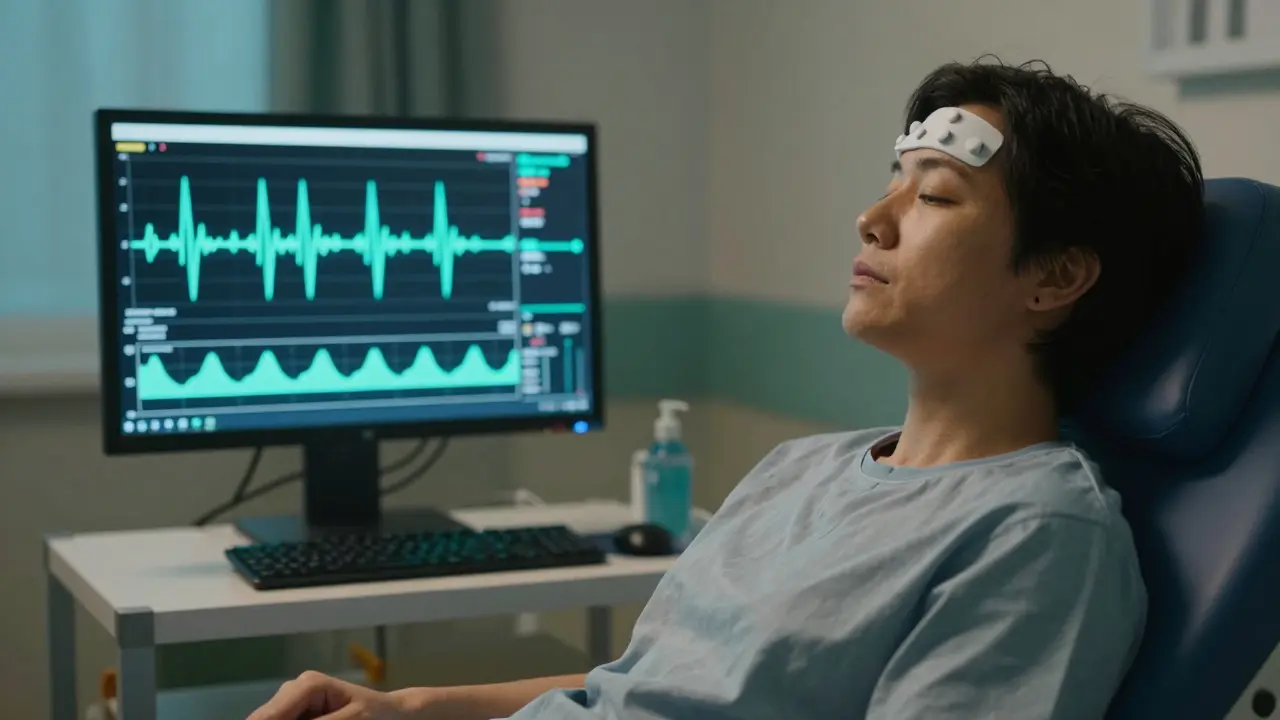
Biofeedback is a technique that uses sensors to measure your body’s automatic functions - like heart rate, muscle tension, skin temperature, and brainwave patterns - and turns those signals into visual or audio cues you can see or hear. It’s not magic. It’s science. And it’s been used in clinics since the 1960s.
Think of it like a mirror for your nervous system. When you’re anxious, your body might be sweating more, your muscles tightening, or your heart beating faster. You usually don’t notice these changes until they become uncomfortable. Biofeedback makes them visible. Once you can see them, you can start learning how to control them.
It’s not about forcing your body to relax. It’s about training your brain to recognize subtle shifts and respond differently. Over time, you build new habits - without drugs or needles.
How It Works: The Body’s Hidden Signals
Your body is constantly sending signals you ignore. Your autonomic nervous system handles breathing, digestion, and heart rate without you thinking about them. But when stress hits, this system goes into overdrive. Cortisol spikes. Muscles tense. Blood pressure rises. These aren’t just feelings - they’re measurable biological events.
Biofeedback devices use sensors attached to your skin to capture these signals:
- Electromyography (EMG) measures muscle activity. Used for tension headaches, back pain, or jaw clenching.
- Thermal biofeedback tracks skin temperature. Cold fingers often mean stress - warmer fingers mean relaxation.
- Heart rate variability (HRV) looks at the tiny changes between heartbeats. Low HRV = stressed. High HRV = calm and resilient.
- Electroencephalography (EEG) maps brainwaves. Used for anxiety, ADHD, and sleep issues.
These tools don’t just monitor - they give instant feedback. A beeping sound speeds up when your heart rate rises. A graph on the screen dips when your muscles relax. Your brain learns to connect the dots: “When I breathe slowly, the tone gets calmer. That feels better.”
The Science: Neuroplasticity and Training
What makes biofeedback work isn’t the machine - it’s your brain. The real magic happens through neuroplasticity, your brain’s ability to rewire itself based on experience.
Studies from the University of California, Los Angeles, and the Mayo Clinic show that after 8-12 sessions of biofeedback, people with chronic stress show measurable drops in cortisol levels. Those with migraines reduce attack frequency by 50% or more. People with high blood pressure lower their readings without medication.
How? Because your brain learns from feedback. It’s like learning to ride a bike. At first, you wobble. But every time you correct your balance, your brain remembers. Biofeedback gives your brain a real-time coach. It says: “Try this. See what happens. Now try that.”
One 2023 study in the Journal of Clinical Psychology followed 120 people with generalized anxiety disorder. Half used biofeedback for 10 weeks. The other half did standard talk therapy. The biofeedback group showed 34% greater reduction in anxiety symptoms - and the changes lasted six months after treatment ended.
Real-World Applications
Biofeedback isn’t just for clinics. It’s used in:
- Chronic pain management - People with fibromyalgia or lower back pain learn to relax overactive muscles.
- Performance enhancement - Athletes use HRV tracking to optimize recovery. Musicians use EMG to reduce stage fright.
- ADHD and focus training - EEG biofeedback helps children and adults improve attention span by rewarding calm brainwave patterns.
- Postpartum recovery - New mothers use pelvic floor biofeedback to regain control after childbirth.
Even firefighters and military personnel use biofeedback to manage trauma responses. In Brisbane, some physiotherapists now include biofeedback in rehab programs for chronic pain patients. It’s not experimental - it’s becoming standard.
What You Can Expect in a Session
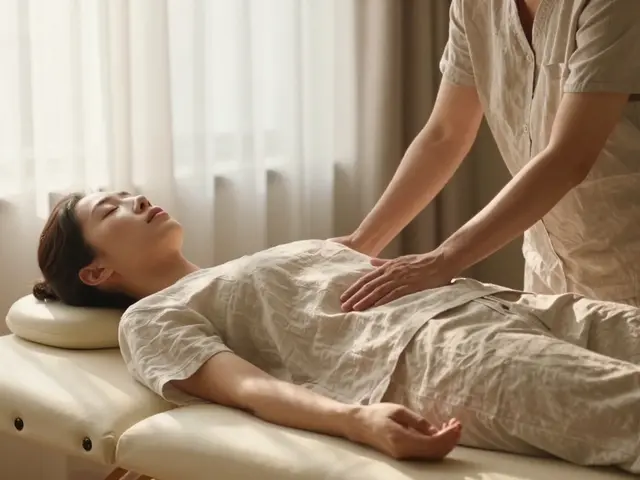
A typical session lasts 30-60 minutes. You sit or lie down. Sensors are placed on your skin - no needles, no pain. You watch a screen or listen to sounds that change as your body shifts.
Your therapist might ask you to:
- Breathe slowly for 30 seconds - watch how your heart rate calms.
- Let your shoulders drop - notice the EMG graph flatten.
- Imagine a peaceful place - see your skin temperature rise.
There’s no pressure to “get it right.” The goal is awareness. After a few sessions, you start noticing patterns in daily life: “My jaw tightens every time I check emails.” That’s the first step to changing it.
Most people see results in 4-8 sessions. Some need 12. It’s not a quick fix - it’s a skill. And like any skill, practice makes it stick.
Home Devices and Apps
You don’t need a clinic to start. Consumer-grade biofeedback tools are now affordable and easy to use.
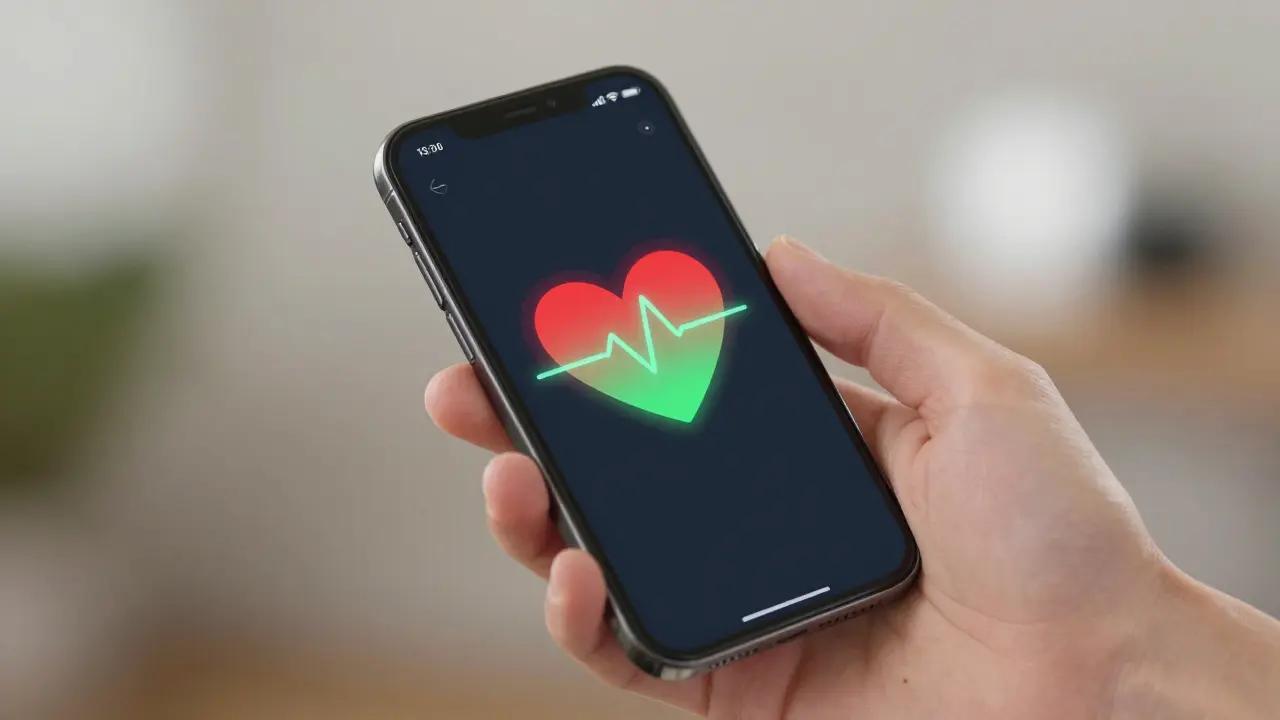
Devices like the HeartMath InnerBalance or Emwave2 connect to your smartphone and measure HRV using a finger sensor. Apps like Biofeedback Pro or MyCalmBeat guide you through breathing exercises with real-time feedback.
These tools won’t replace professional therapy - but they’re excellent for reinforcement. People who use them daily report better sleep, fewer panic attacks, and more emotional control.
One user in Brisbane told me: “I started using the heart rate app during my commute. Within three weeks, I stopped snapping at my kids. I didn’t even realize how tense I was until I saw it on the screen.”

Who Should Try It - And Who Shouldn’t
Biofeedback is safe for most people. It’s non-invasive. No side effects. But it’s not for everyone.
Good candidates:
- People with chronic stress, anxiety, or tension headaches
- Those with chronic pain who’ve tried medication without lasting relief
- Anyone looking to reduce reliance on drugs for sleep or anxiety
- Performance athletes or artists dealing with performance anxiety
Not ideal for:
- People with severe psychiatric disorders like psychosis or bipolar disorder without clinical supervision
- Those with implanted electronic devices (pacemakers, defibrillators) - some sensors may interfere
- Anyone expecting instant results
If you’re unsure, talk to a licensed therapist or physiotherapist. They can help you decide if biofeedback fits your needs.
Why It’s Different From Meditation or Mindfulness
Meditation asks you to quiet your mind. Biofeedback gives you data. You don’t have to guess if you’re relaxed - you can see it.
Mindfulness is great. But it relies on internal awareness. Biofeedback adds an external anchor. It’s like having a GPS for your nervous system. When your mind wanders, the device tells you: “Your heart’s racing. Try breathing again.”
Many people use them together. A session might start with biofeedback to get grounded, then shift into mindfulness to deepen calm.
What the Future Holds
Wearable tech is making biofeedback more accessible than ever. Smartwatches now track HRV. Future devices may monitor sweat response, muscle fatigue, or even gut-brain signals.
Researchers at the University of Queensland are testing biofeedback for PTSD in veterans using VR environments. Early results show faster emotional regulation when visual cues match real-time body data.
The science is clear: your body talks. Biofeedback just helps you listen - and respond.