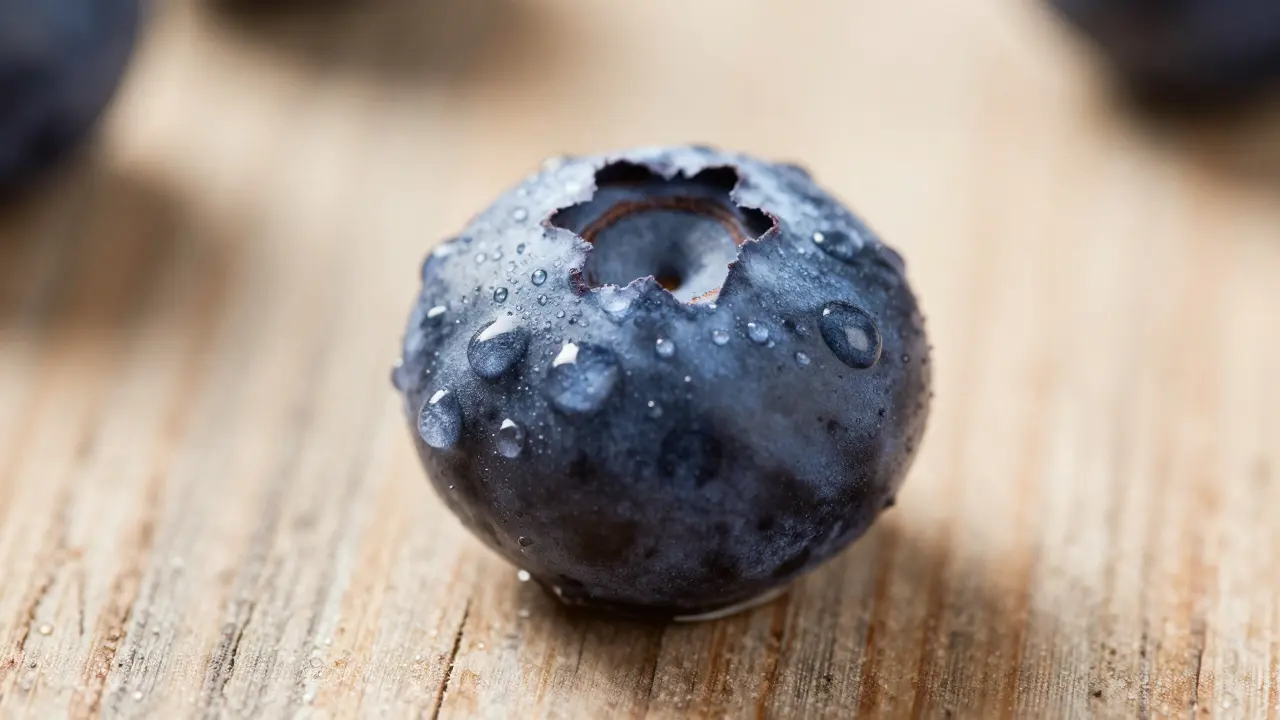
It’s easy to underestimate a handful of blueberries. They’re small, they don’t scream for attention like a giant bowl of spinach, and you can eat them without much effort. But these little purple orbs pack a punch that rivals many supplements on the market. If you are looking for a simple way to boost your health without changing your entire lifestyle, adding blueberries to your daily routine might be the easiest win you get all year.
What Makes Blueberries So Special?
To understand why blueberries are considered a superfood, we need to look at what’s inside them. The secret sauce is a group of plant compounds called anthocyanins. These are the same pigments that give blueberries their deep blue-purple color. Anthocyanins are powerful antioxidants, which means they help protect your cells from damage caused by free radicals. Free radicals are unstable molecules that can cause oxidative stress, leading to inflammation and chronic diseases.
Blueberries also contain other beneficial nutrients. One cup (about 148 grams) provides:
- Vitamin C: About 16% of the Daily Value (DV), supporting immune function.
- Vitamin K: Roughly 25% of the DV, essential for blood clotting and bone health.
- Manganese: Around 20% of the DV, important for metabolism and bone development.
- Fiber: Approximately 3.6 grams, aiding digestion and keeping you full.
Unlike many fruits, blueberries have a low glycemic index. This means they won’t spike your blood sugar levels significantly, making them a smart choice even if you are watching your carbohydrate intake.
Heart Health: More Than Just a Pretty Berry
Your heart works hard every day, pumping blood throughout your body. Oxidative stress and inflammation can damage the lining of your blood vessels, leading to high blood pressure and heart disease. This is where blueberries step in.
Research suggests that the anthocyanins in blueberries can improve several markers of heart health. A study published in the American Journal of Clinical Nutrition found that consuming blueberries regularly was associated with a lower risk of heart disease. Specifically, these berries may help reduce LDL cholesterol (the "bad" cholesterol) and prevent it from oxidizing. Oxidized LDL is more likely to stick to artery walls and form plaque, which narrows the arteries and restricts blood flow.
Additionally, blueberries have been shown to improve blood pressure. High blood pressure is a major risk factor for stroke and heart attack. By promoting the production of nitric oxide, a molecule that helps relax blood vessels, blueberries allow blood to flow more freely. Think of it as widening the highway so traffic (blood) can move smoothly without congestion.
Brain Power: Keeping Your Mind Sharp
We often hear about eating for our hearts, but what about our brains? As we age, cognitive decline is a common concern. Memory loss, slower processing speed, and difficulty focusing can impact quality of life. Emerging evidence points to blueberries as a potent ally for brain health.
The flavonoids in blueberries appear to accumulate in areas of the brain responsible for intelligence and memory. In one notable study involving older adults with mild cognitive impairment, those who drank blueberry juice twice a day showed significant improvements in memory and learning compared to the control group. While more research is needed, the results are promising.
Blueberries may also delay aging of the brain. Animal studies have shown that blueberry extract can improve motor coordination and memory in mice. While mice aren't humans, the biological mechanisms involved in oxidative stress are similar. For us, this translates to potentially sharper focus and better recall, especially during stressful periods or long workdays.

Blood Sugar Control and Diabetes Management
If you have diabetes or are prediabetic, you might think you should avoid fruit due to its natural sugar content. However, blueberries are an exception. Their low glycemic load means they have a minimal impact on blood glucose levels.
In fact, the polyphenols in blueberries can improve insulin sensitivity. Insulin is the hormone that allows cells to take in glucose from the blood. When your cells become resistant to insulin, blood sugar levels rise. By enhancing insulin action, blueberries help keep blood sugar stable after meals. A study in the journal Nutrients demonstrated that post-meal consumption of blueberries reduced the blood sugar spike typically seen after eating carbohydrates.
This makes blueberries an excellent snack option for people managing type 2 diabetes. Pairing them with a source of protein, like Greek yogurt or almonds, can further stabilize blood sugar levels.
Digestive Health and Gut Microbiome
Your gut is home to trillions of bacteria, collectively known as the microbiome. A healthy microbiome is linked to everything from immune function to mental health. Blueberries act as a prebiotic, meaning they provide food for the good bacteria in your gut.
The fiber in blueberries is not just bulk; it includes soluble fiber that ferments in the colon. This fermentation process produces short-chain fatty acids, such as butyrate, which nourish the cells lining the colon and reduce inflammation. A balanced gut microbiome can lead to fewer digestive issues like bloating and constipation.
Furthermore, some studies suggest that the specific polyphenols in blueberries can inhibit the growth of harmful bacteria while encouraging the proliferation of beneficial strains like Lactobacillus and Bifidobacterium. It’s a win-win for your digestive system.
Anti-Inflammatory Properties
Chronic inflammation is the root cause of many modern diseases, including arthritis, cancer, and metabolic syndrome. Unlike acute inflammation, which is a helpful response to injury, chronic inflammation smolders in the background, damaging tissues over time.
Blueberries are rich in anti-inflammatory compounds. When you consume them, these compounds enter your bloodstream and help neutralize inflammatory markers. For example, C-reactive protein (CRP) is a marker of inflammation. Studies have shown that regular blueberry consumption can lower CRP levels. If you suffer from joint pain or stiffness, incorporating blueberries into your diet might offer some relief, working alongside other anti-inflammatory foods like fatty fish and leafy greens.
How to Add Blueberries to Your Diet
You don’t need to overhaul your diet to reap the benefits. Here are some simple ways to include blueberries in your daily meals:
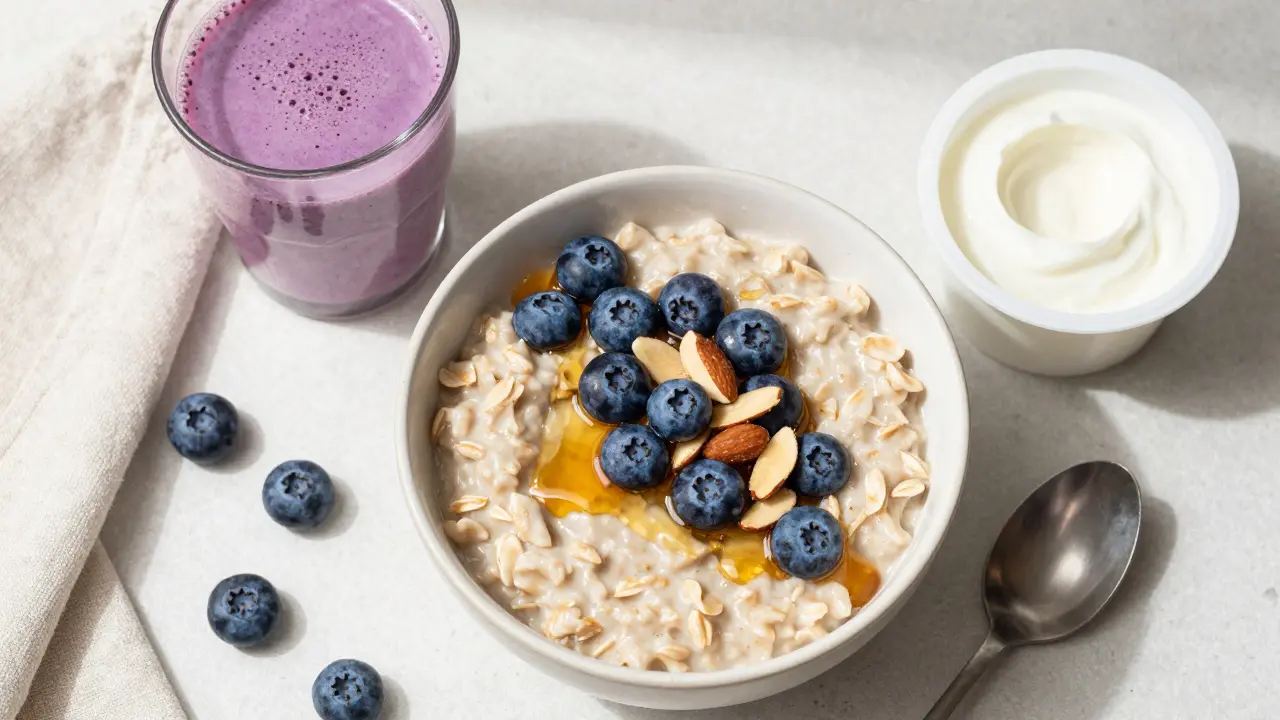
- Oatmeal Topping: Stir a half-cup of fresh or frozen blueberries into your morning oatmeal. The heat will slightly soften them, releasing more antioxidants.
- Smoothie Boost: Add a handful of frozen blueberries to your smoothie. They add natural sweetness and a vibrant color without overpowering other flavors.
- Yogurt Parfait: Layer Greek yogurt, granola, and blueberries for a balanced breakfast or snack. The protein in yogurt pairs well with the fiber in berries.
- Savory Salads: Don’t limit blueberries to sweet dishes. They pair surprisingly well with salads containing arugula, goat cheese, and walnuts. The tartness cuts through the richness of the cheese.
- Snack Alone: Keep a container of washed blueberries in the fridge for a quick, no-prep snack when hunger strikes between meals.
Fresh vs. Frozen: Does It Matter?
A common question is whether frozen blueberries are as nutritious as fresh ones. The answer is yes. In fact, frozen blueberries can sometimes be more nutrient-dense. Fresh berries are often picked before they are fully ripe to withstand shipping, whereas frozen berries are usually flash-frozen at peak ripeness. This process locks in the vitamins and antioxidants. Plus, frozen blueberries are available year-round and are often more affordable.
When buying frozen blueberries, choose brands that list only "blueberries" as the ingredient. Avoid those with added sugars or syrups, which can negate the health benefits.
Potential Risks and Considerations
While blueberries are generally safe for most people, there are a few things to keep in mind. Because they are high in Vitamin K, individuals taking blood-thinning medications like warfarin should maintain a consistent intake of Vitamin K-rich foods. Sudden large increases in Vitamin K can interfere with medication effectiveness. Consult your doctor if you are unsure.
Also, watch out for pesticide residues. Berries often rank high on the Environmental Working Group’s "Dirty Dozen" list. To minimize exposure, consider buying organic blueberries when possible, or wash conventional ones thoroughly under running water before eating.
How many blueberries should I eat per day?
Aim for about one cup (approximately 148 grams) per day. This amount provides a significant dose of antioxidants and fiber without excessive calories. You can split this into two servings if you prefer.
Are blueberries good for weight loss?
Yes, blueberries can support weight loss efforts. They are low in calories (about 85 calories per cup) and high in fiber, which promotes satiety. Replacing high-calorie snacks with blueberries can help create a calorie deficit.
Can children eat blueberries?
Absolutely. Blueberries are a great snack for kids. However, whole blueberries can be a choking hazard for toddlers. It is recommended to mash them or cut them in half for younger children.
Do blueberries stain teeth?
Like other dark-colored berries, blueberries can temporarily stain teeth. Rinsing your mouth with water after eating them can help minimize staining. Regular brushing and dental check-ups remain important.
Is it better to eat blueberries raw or cooked?
Raw blueberries retain the highest level of nutrients, particularly Vitamin C, which can be sensitive to heat. However, light cooking (like in oatmeal) does not destroy the anthocyanins, so both methods are beneficial.