Fiber Intake for Dogs: Why It Matters and How to Get It Right
When it comes to your dog’s health, fiber intake, the indigestible part of plant-based foods that supports digestion and gut function in dogs. Also known as dietary fiber, it’s not just for humans—it’s a quiet hero in your dog’s daily meals. Most pet owners focus on protein and fat, but fiber plays a critical role in keeping your dog’s digestive system running smoothly. Without enough fiber, dogs can struggle with constipation, loose stools, or even uncomfortable bloating. Too much? That can lead to gas, frequent bowel movements, or nutrient loss. The goal isn’t to flood their diet with fiber—it’s to find the right balance.
Gut health, the condition of the digestive tract and the balance of bacteria living inside it is deeply tied to fiber intake. Just like in people, a healthy gut in dogs means better nutrient absorption, stronger immunity, and even improved mood. Studies show that dogs with consistent, moderate fiber intake have more stable microbiomes—meaning the good bacteria thrive, and the bad ones stay in check. This isn’t just about poops. It’s about energy levels, skin health, and even how your dog handles stress. Fiber also helps dogs feel full longer, which makes it a natural tool for weight management. If your dog is overweight or prone to begging, adding the right kind of fiber can reduce snack cravings without cutting calories.
Not all fiber is the same. Soluble fiber—found in oats, pumpkin, and psyllium—slows digestion and helps regulate blood sugar. Insoluble fiber—like beet pulp or cellulose—adds bulk and keeps things moving. Most commercial dog foods include some fiber, but often not enough for optimal health. Real food additions like cooked sweet potato, green beans, or plain canned pumpkin (not pie filling) are safe, natural sources. Always introduce them slowly. Sudden fiber spikes can upset your dog’s stomach. And if your dog has a medical condition like IBD or pancreatitis, talk to your vet before making changes.
You’ll find plenty of posts here that connect fiber intake to bigger health picture—like how gut health affects weight, how massage supports recovery after dietary changes, and how mindfulness in feeding routines can reduce stress-related digestion issues. These aren’t random ideas. They’re linked. A dog with a happy gut is more likely to respond well to bodywork, sleep better, and stay active. That’s why fiber isn’t just a nutrient—it’s a foundation.
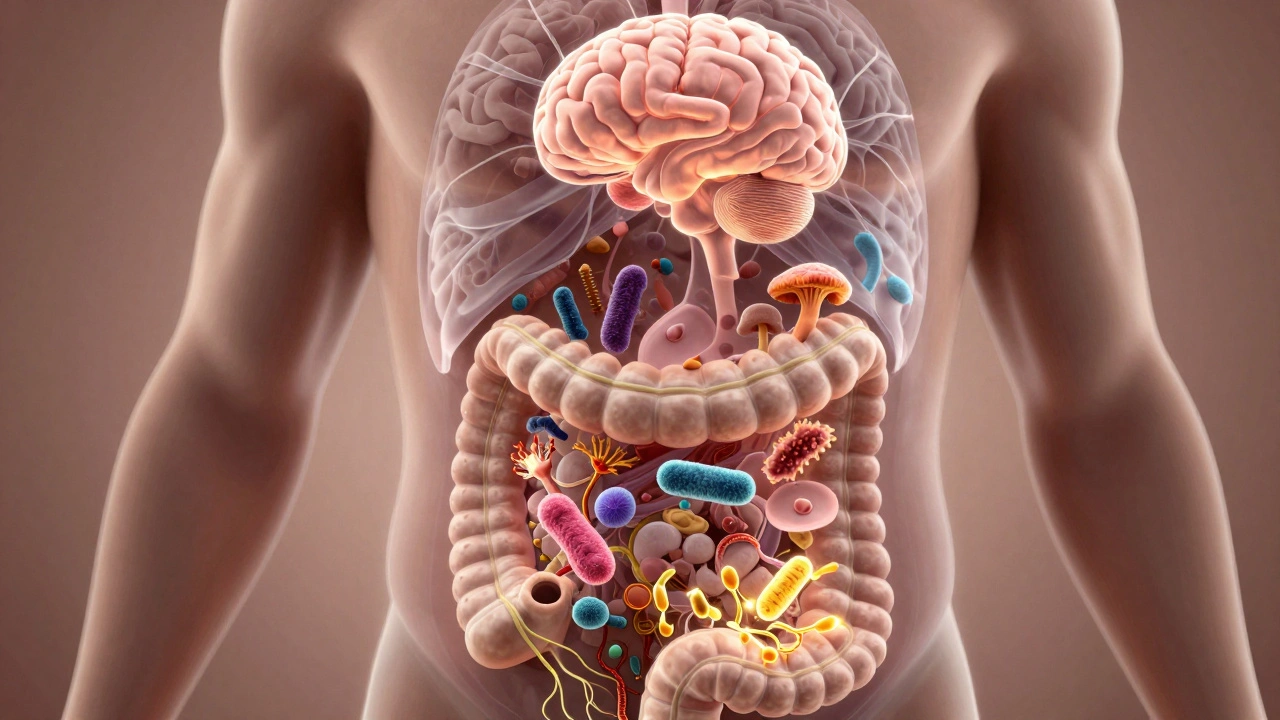
Unlocking the Secrets of Gut Health
Discover the real secrets to gut health-how food, stress, and microbes shape your digestion, mood, and immunity. Learn what actually works to heal your gut naturally, without fads or supplements.


Health Anxiety: How to Fight the Fear of Illness
Aug, 8 2023