
Walking into a massage studio, you often hear the term Swedish massage used as a catch-all for "relaxing" treatments. But is it just rubbing oil on your back? Not quite. Swedish massage is a specific system of manual therapy with distinct strokes, pressures, and goals. It’s the most popular form of massage in the United States and much of Europe, not because it’s trendy, but because it works reliably for stress relief and mild muscle tension.
If you’ve ever left a session feeling heavy or sore, you might have received deep tissue work instead. If you felt completely drained, it was likely a true Swedish style. Understanding the difference helps you choose the right therapist and set realistic expectations for your body’s response.
The Five Core Strokes
Unlike random rubbing, Swedish massage relies on five fundamental techniques. Each serves a different physiological purpose, from increasing blood flow to stretching fascia. A skilled practitioner blends these seamlessly, so you rarely notice where one ends and another begins.
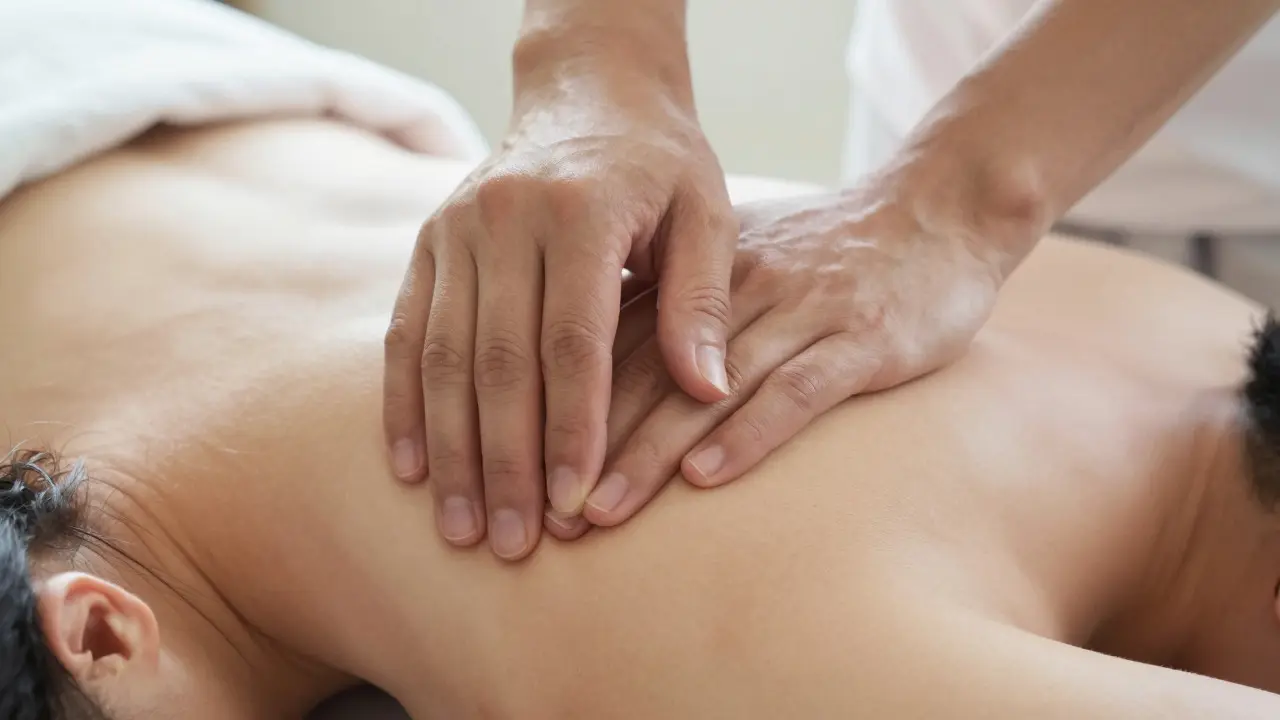
- Effleurage: This is the gliding stroke. The therapist uses long, sweeping movements with the palms or forearms. It’s usually the start and end of the session. Its job is to warm up the muscles, spread the oil, and calm the nervous system by stimulating mechanoreceptors in the skin.
- Petrissage: Think of this as kneading. The therapist lifts, squeezes, and rolls the muscle tissue. You’ll feel your shoulders being pinched and lifted. This technique targets deeper muscle fibers to release knots and improve circulation within the tissue itself.
- Friction: Here, the pressure becomes more focused. Using thumbs, fingers, or elbows, the therapist applies circular or cross-fiber pressure to specific tight spots. It’s the only stroke that can be uncomfortable if done too hard, which is why communication matters.
- Vibration: This involves shaking or rocking the limb or muscle group rapidly. It can be rhythmic (like shivering) or static (holding a tense position). It helps relax muscle spasms and increases local blood flow without deep penetration.
- Tapping (Tapotement): Percussive strikes using cupped hands, fingertips, or knuckles. This is the energetic part of the massage. It stimulates the surface nerves and prepares the area for deeper work or simply wakes up sluggish tissues.
Pressure Levels and Client Comfort
A common misconception is that Swedish massage must be light. In reality, the pressure range is broad. However, the key distinction lies in how that pressure is applied. Deep tissue massage digs into chronic knots with sustained, slow pressure. Swedish massage uses dynamic movement; even at high pressure, the strokes are flowing rather than static.
When booking an appointment, ask about the preferred pressure level. Most therapists use a scale of 1 to 10. For a standard Swedish session, a 4 or 5 is typical for general relaxation. If you’re dealing with acute stiffness, a 6 or 7 might be appropriate, provided the therapist maintains the rhythmic flow of effleurage and petrissage.
| Attribute | Swedish Massage | Deep Tissue Massage |
|---|---|---|
| Primary Goal | Relaxation, circulation, stress reduction | Release chronic tension, break adhesions |
| Stroke Speed | Moderate to fast, rhythmic | Slow, deliberate, sustained |
| Depth | Skin to mid-muscle layer | Deep muscle layers and fascia |
| Pain Level | Comfortable to mild ache | Often uncomfortable, "good pain" |
| After-Effect | Immediate relaxation, sleepiness | Post-massage soreness for 24-48 hours |
Physiological Benefits Beyond Relaxation
We tend to associate massage with mental peace, but the physical changes are significant. During a 60-minute Swedish session, heart rate drops by approximately 10-15 beats per minute in many clients. This parasympathetic shift reduces cortisol levels, the primary stress hormone. Lower cortisol means less inflammation and better immune function over time.
Circulation is another major factor. The mechanical action of petrissage and effleurage acts like a pump, moving stagnant fluid out of the tissues. This helps remove metabolic waste products like lactic acid, which can contribute to muscle fatigue. While the effect isn’t instant magic, regular sessions every two to four weeks maintain this lymphatic drainage efficiency.
For people with mild lower back pain, studies have shown that Swedish massage can reduce pain intensity by up to 30% after a series of six sessions. It doesn’t fix structural issues like herniated discs, but it alleviates the muscular guarding that often accompanies such conditions.
Who Should Avoid Swedish Massage?
While safe for most, certain conditions require caution or exclusion. If you have severe thrombocytopenia (low platelet count), avoid any massage that could cause bruising. Varicose veins should be avoided directly; the therapist will work around them to prevent blood pooling.
Pregnant women can enjoy Swedish massage, but positioning is critical. After the first trimester, side-lying positions are safer than prone (face-down) to avoid pressure on the abdomen. Always inform your therapist about pregnancy, recent surgeries, or open wounds. Acute injuries, like a fresh sprain, need rest, not manipulation. Waiting until the inflammatory phase subsides (usually 48-72 hours) is the rule of thumb.

What to Expect During Your First Session
Your first visit is largely about assessment. Expect a brief intake form asking about health history, current medications, and areas of concern. Then comes the consultation. Tell your therapist exactly what you want: "I’m stressed," "My neck is stiff," or "Just make me relax." They will adjust their approach accordingly.
The session typically starts with effleurage on the legs or arms, working toward the center of the body. You’ll feel warm oil being applied. Don’t hold your breath; exhale slowly. If a spot hurts, say so. Therapists prefer feedback early rather than guessing. At the end, you may feel sleepy, thirsty, or emotionally released. Drink water afterward to help flush out toxins mobilized during the treatment.
Choosing the Right Practitioner
Licensing varies by state and country. In the US, look for LMT (Licensed Massage Therapist) certification. In the UK, check for registration with the CPM (Complementary and Natural Healthcare Council). Credentials matter because they ensure the therapist has completed at least 500 hours of training in anatomy, physiology, and draping hygiene.
Read reviews specifically mentioning "Swedish" or "relaxation." Some therapists specialize in sports or deep tissue and may default to those styles unless explicitly told otherwise. A good Swedish specialist will prioritize rhythm, breathing cues, and consistent pressure over aggressive digging.
How often should I get a Swedish massage?
For general maintenance and stress management, once a month is ideal. If you are under high stress or recovering from minor muscle strain, bi-weekly sessions can be beneficial. Consistency matters more than frequency; a monthly habit yields better long-term results than sporadic intensive treatments.
Does Swedish massage hurt?
It should not be painful. You might feel a pleasant ache or slight pressure, especially during friction or petrissage. Sharp pain indicates the pressure is too high or the technique is incorrect. Communicate immediately if you feel sharp pain, as it can trigger muscle guarding and counteract the relaxation benefits.
What is the difference between Swedish and hot stone massage?
Hot stone massage uses heated basalt stones placed on the body or held by the therapist. The heat penetrates deeper than oil alone, allowing muscles to relax faster. The strokes are similar to Swedish massage, but the added thermal element enhances circulation and reduces the need for high pressure. It’s essentially Swedish massage with a heat component.
Can I shower immediately after a Swedish massage?
Yes, you can. There is no medical requirement to wait. However, some people prefer to wait 30 minutes to an hour to let the body settle and rehydrate. If you plan to exercise, wait at least an hour to avoid dizziness from the drop in blood pressure and heart rate caused by the massage.
Is Swedish massage effective for chronic pain?
It is effective for managing symptoms, particularly pain related to muscle tension and stress. For structural chronic pain (like arthritis or fibromyalgia), it may provide temporary relief but won’t cure the condition. Combining Swedish massage with physical therapy or other modalities often yields the best outcomes for complex chronic pain cases.