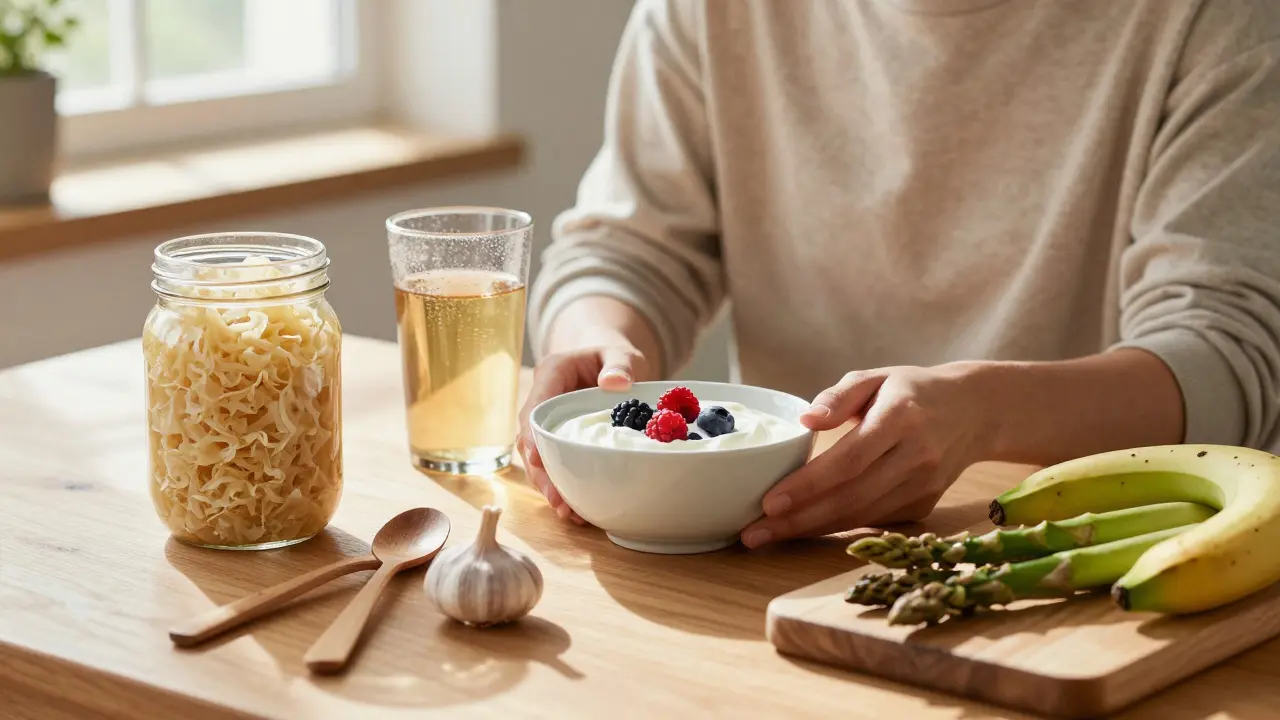
Antibiotics save lives, but they don’t discriminate. While they wipe out harmful bacteria, they also clear out the good ones-your gut microbiome takes a hit. After a course of antibiotics, you might feel bloated, sluggish, or even get diarrhea. That’s not normal. It’s your gut crying for help. The good news? You can rebuild it. Not overnight, but with the right steps, your gut can bounce back stronger than before.
Understand What Happened to Your Gut
Your gut is home to trillions of bacteria, fungi, and viruses. Together, they’re called your microbiome. These microbes help digest food, make vitamins, train your immune system, and even influence your mood. Antibiotics don’t target just one bad bug-they flood your system, killing off everything in their path. Studies show that even a single course can reduce microbial diversity by up to 30%, and some species may never fully return without help.It’s not just about feeling off for a few days. A disrupted microbiome can lead to long-term issues: more frequent infections, food sensitivities, or even skin problems. The goal isn’t just to feel better tomorrow-it’s to restore balance so your body can function the way it’s meant to.
Stop Sugar and Processed Foods
After antibiotics, your gut is vulnerable. Harmful bacteria like Candida and Clostridium difficile love sugar. They’re the first to move in when good bacteria disappear. If you’re eating pastries, soda, or packaged snacks, you’re feeding the wrong team.For the next 4-6 weeks, cut out added sugars and refined carbs. That means no white bread, candy, or sweetened yogurt-even the ones labeled “healthy.” Read labels. Sugar hides in sauces, salad dressings, and even “low-fat” products. Instead, eat whole foods: vegetables, legumes, lean meats, eggs, nuts, and fruits like berries and apples. These feed good bacteria naturally.
Start With Fermented Foods
Fermented foods are nature’s probiotics. They contain live cultures that help repopulate your gut. You don’t need expensive supplements-start simple.- Kimchi: Korean fermented cabbage packed with lactobacilli. Look for refrigerated versions with no added sugar.
- Kombucha: A fizzy tea drink with live cultures. Choose brands with less than 5g of sugar per serving.
- Plain, unsweetened yogurt: Check the label for “live and active cultures.” Greek yogurt works too.
- Sauerkraut: Raw, unpasteurized sauerkraut (not the shelf-stable kind) has beneficial bacteria.
- Miso: Fermented soybean paste used in soups. Add a spoonful to warm (not boiling) water or broth.
Start with a small spoonful a day. Your gut might react at first-bloating or gas is common. That’s normal. Increase slowly over two weeks. Eat these foods daily. Consistency matters more than quantity.
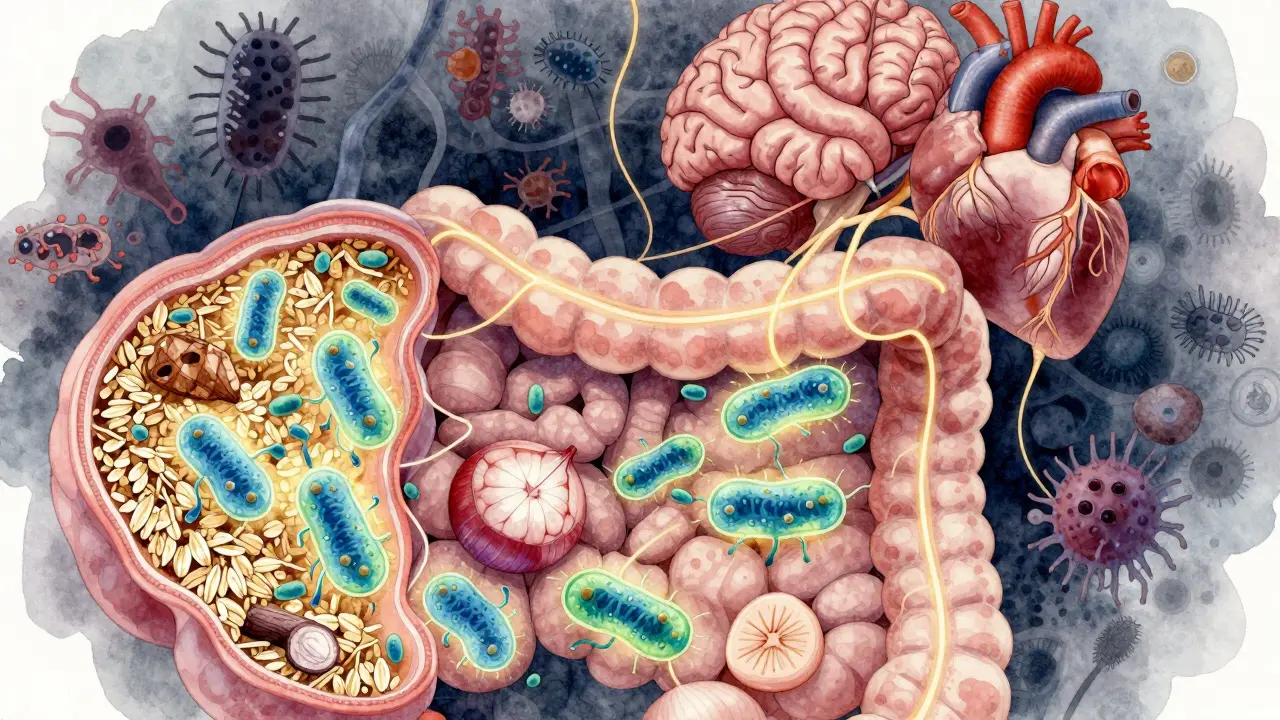
Take a Probiotic Supplement (But Choose Wisely)
Fermented foods help, but sometimes you need a boost. A high-quality probiotic can speed up recovery. Not all probiotics are equal. Look for these features:- Strains that survive antibiotics: Lactobacillus rhamnosus GG and Saccharomyces boulardii are proven to reduce antibiotic-associated diarrhea.
- At least 10 billion CFUs: Lower doses won’t make a difference.
- Enteric-coated capsules: These protect the bacteria from stomach acid so they reach your intestines.
- No fillers: Avoid products with maltodextrin, artificial colors, or preservatives.
Take the probiotic at least 2 hours after your antibiotic dose. This gives the good bacteria a fighting chance. Keep taking it for at least 4 weeks after finishing your antibiotics. Some experts recommend continuing for 2-3 months if you had a long course or severe side effects.
Feed Your Good Bacteria With Prebiotics
Probiotics are the workers. Prebiotics are their food. These are special fibers that only good bacteria can digest. Without them, probiotics won’t stick around.Good sources include:
- Garlic and onions: Raw or lightly cooked.
- Asparagus and leeks: Add to stir-fries or roast them.
- Chicory root: Found in some coffee substitutes or as a powder.
- Green bananas: Less ripe = more resistant starch.
- Oats and barley: Whole grains, not instant.
Start slow. Too much fiber too fast can cause bloating. Add one new prebiotic food every 3-4 days. Aim for 25-30g of fiber daily. If you struggle to get enough from food, consider a prebiotic supplement with inulin or galactooligosaccharides (GOS). But food first-always.
Hydrate, Sleep, and Reduce Stress
Your gut doesn’t work in isolation. It’s connected to your brain, your immune system, and your sleep cycle. If you’re stressed, sleep-deprived, or dehydrated, healing slows down.Drink at least 2 liters of water daily. Herbal teas like ginger or peppermint help soothe digestion. Aim for 7-8 hours of sleep. Poor sleep reduces microbial diversity. And stress? It changes your gut’s pH and weakens the lining, letting bad bacteria thrive.
Try 10 minutes of deep breathing each morning. Walk outside in daylight. Avoid screens an hour before bed. These aren’t “nice to haves”-they’re essential for gut recovery.
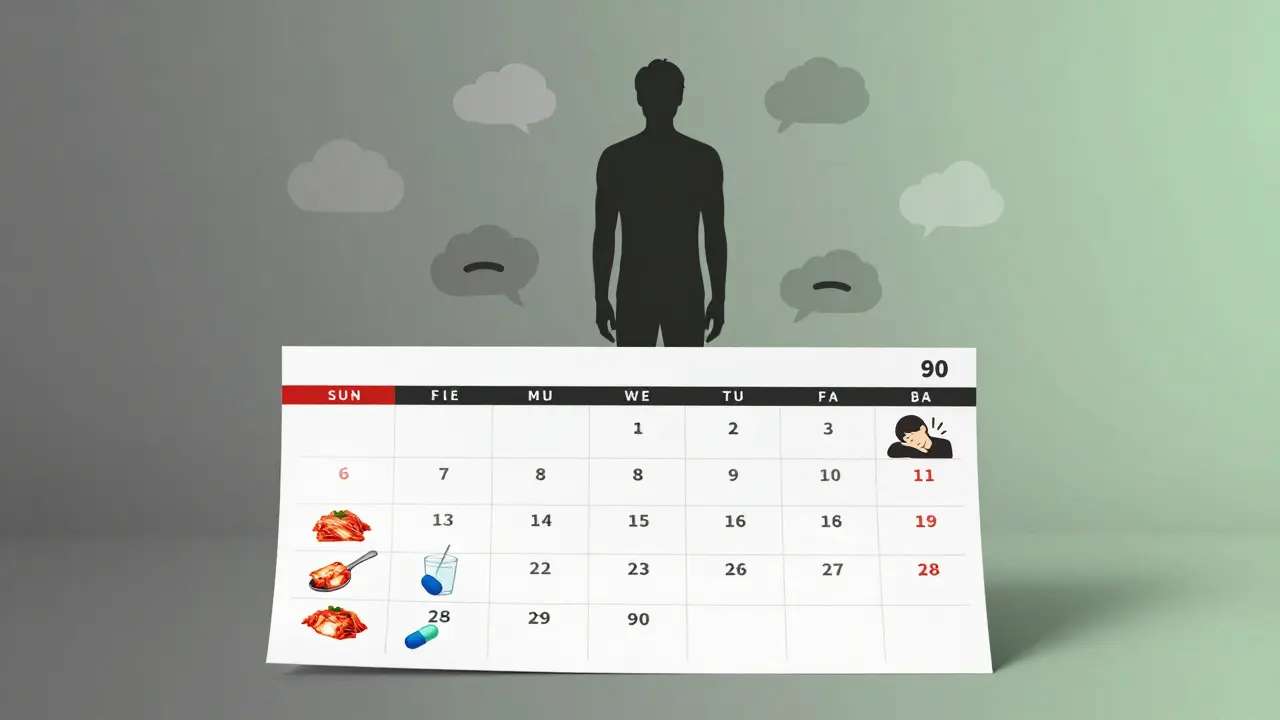
Give It Time-No Quick Fixes
Some people expect their gut to bounce back in a week. It doesn’t work that way. Studies tracking microbiome recovery show it takes 3-6 months for diversity to return to normal after antibiotics. In some cases, it takes longer.Don’t get discouraged if you don’t feel perfect after 2 weeks. Progress isn’t linear. You might have good days and bad days. That’s normal. Stick with the plan. Track how you feel-not just digestion, but energy, skin clarity, mood, and even how often you get sick.
By month three, most people notice fewer bloating episodes, better bowel movements, and more stable energy. That’s your gut thanking you.
When to See a Doctor
Most gut issues after antibiotics resolve with lifestyle changes. But if you have any of these, see a healthcare provider:- Diarrhea lasting more than 7 days
- Bloody stools or severe abdominal pain
- Fever or chills
- Unexplained weight loss
- Signs of yeast infection (itching, white discharge)
These could signal C. diff infection or another condition needing medical treatment. Don’t wait. Early action matters.
What Not to Do
Avoid these common mistakes:- Overdoing probiotics: More isn’t better. High doses can cause gas or worsen bloating.
- Drinking alcohol: It kills good bacteria and irritates the gut lining.
- Using artificial sweeteners: Sucralose and aspartame harm microbial balance.
- Waiting too long to start: The sooner you begin recovery steps, the better the outcome.
Healing isn’t about drastic changes. It’s about consistency. Small, daily choices add up.
How long does it take to restore gut health after antibiotics?
It usually takes 3 to 6 months for your gut microbiome to fully recover after antibiotics. Some people notice improvements in digestion and energy within 2-4 weeks, but restoring microbial diversity and resilience takes longer. Consistent diet, probiotics, and stress management speed up the process.
Can I take probiotics while on antibiotics?
Yes, but take them at least 2 hours apart from your antibiotic dose. This prevents the antibiotic from killing the probiotic bacteria right away. Strains like Lactobacillus rhamnosus GG and Saccharomyces boulardii are especially effective at reducing diarrhea during antibiotic use.
Do I need to take a probiotic supplement, or can I just eat fermented foods?
Fermented foods are excellent and should be part of your routine. But if you’ve had a strong or long course of antibiotics, a supplement with proven strains and at least 10 billion CFUs gives you a stronger, faster boost. Think of food as maintenance and supplements as targeted repair.
Why is sugar bad for my gut after antibiotics?
Sugar feeds harmful yeast and bacteria like Candida and Clostridium difficile, which can overgrow when good bacteria are gone. Even small amounts can trigger bloating, cravings, and inflammation. Cutting sugar gives your good microbes a chance to reestablish without competition.
Can gut health affect my mood after antibiotics?
Yes. Your gut produces over 90% of your serotonin-the hormone linked to mood and sleep. When your microbiome is disrupted, it can lead to brain fog, anxiety, or low energy. Restoring gut balance often improves mental clarity and emotional stability within weeks.
Restoring your gut after antibiotics isn’t a quick fix-it’s a reset. It’s about giving your body the tools to heal itself. Eat real food, move gently, sleep well, and be patient. Your gut remembers what you feed it. Give it the right fuel, and it will repay you with better digestion, stronger immunity, and more energy than you had before.