If you have ever felt a knot that just won’t go away or stiffness that lingers long after an injury, you understand the frustration of incomplete healing. Standard rest and ice sometimes aren’t enough to fully restore function to injured areas. There is a specific hands-on technique called Cross Fibre Release which targets those stubborn spots by manipulating the direction of muscle fibers. This method helps realign damaged tissue and encourages your body to heal itself correctly rather than forming weak scar tissue. By understanding how this works, you can make better decisions about your rehabilitation journey and why certain therapies feel more effective than others.
Understanding Cross Fibre Release Fundamentals
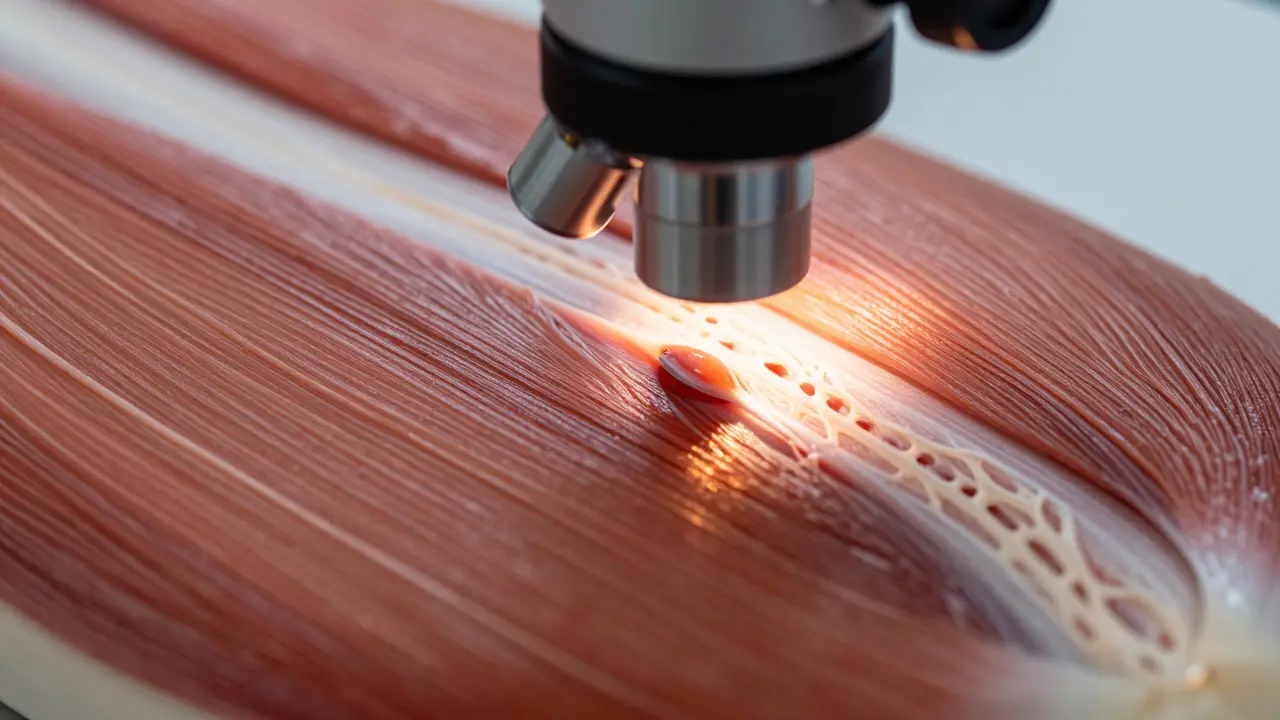
To grasp why this technique matters, you need to look at how muscles heal. When you injure a muscle, the tiny fibers tear. As your body repairs them, it often lays down new collagen fibers in a random pattern instead of lining them up with the original direction. Imagine trying to weave a blanket where half the threads run sideways; the result is a weak spot that doesn’t stretch well. This misalignment creates adhesions, which are essentially sticky bands of tissue that glue muscle layers together incorrectly.
Deep Transverse Friction is another term often used interchangeably, though there are subtle distinctions in how pressure is applied. The core idea remains the same: applying pressure perpendicular to the grain of the muscle. Instead of stroking along the length of the thigh, the therapist presses across the width. This friction breaks up the cross-links forming in the healing tissue and stimulates blood flow specifically to that injured site.
The Role of Fascia in Muscle Healing
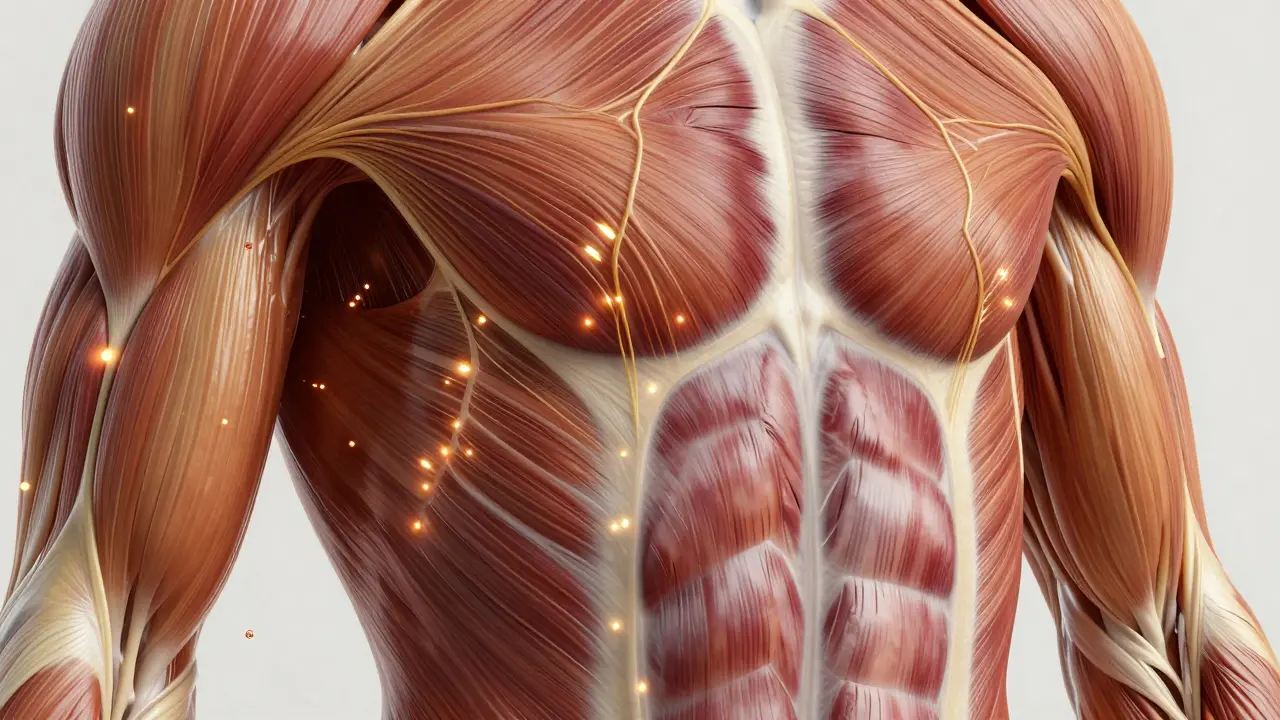
You cannot talk about soft tissue repair without mentioning Fascia is a connective tissue web that surrounds every muscle, bone, and organ in your body. Think of fascia like the plastic wrapping around a package of meat. If that plastic gets wrinkled or glued together, the meat underneath can’t slide smoothly. Injuries cause this connective web to become inflamed or restrict movement.
Cross Fibre Release works directly on these fascial restrictions. By applying deep pressure across the grain, the therapist signals the body to remodel the collagen. This process is slow and requires patience. It isn’t about feeling good immediately; it is about triggering a biochemical response that tells the body to reorganize its structure. Research indicates that consistent mechanical stress promotes cellular alignment, leading to stronger tendon and muscle attachments over time.
Key Benefits for Athletic Recovery
Athletes often seek this treatment when returning to play after a sprain or strain. Here are the tangible outcomes you might notice:
- Improved Range of Motion: Breaking up adhesions allows joints to move through their full natural arc without pinching.
- Pain Reduction: While the treatment can be uncomfortable, it reduces long-term sensitivity caused by trapped inflammation.
- Prevention of Re-injury: Realigned fibers handle tension better, lowering the risk of snapping again under load.
- Better Circulation: Friction generates heat, bringing fresh nutrients to the damaged area needed for repair.
For example, a runner with Achilles tendonitis might find standard stretching insufficient. A targeted cross-fibre protocol addresses the degeneration deeper in the tendon where circulation is naturally poor. This specificity is what sets it apart from general relaxation massage.

Who Should Consider This Treatment?
Not everyone needs aggressive tissue work. Understanding the right candidates helps avoid unnecessary discomfort. It is most effective for chronic conditions where acute pain has subsided but tightness remains. If you have recurring shoulder issues from repetitive overhead tasks or tennis elbow from gripping racquets too hard, this technique addresses the root adhesion.
However, timing is crucial. You should not use deep friction on a brand new injury with swelling. Wait until the acute inflammatory phase passes. Applying this technique too early can irritate tissues further. A qualified physiotherapist or massage therapist knows exactly when to switch from gentle modalities to aggressive release work. They assess skin color, temperature, and tissue texture to determine readiness.
| Condition Stage | Recommended Approach |
|---|---|
| Acute (Days 1-3) | Rest, Ice, Compression (RICE); Avoid Deep Pressure |
| Sub-Acute (Days 4-21) | Gentle Mobilization, Light Massage |
| Chronic (After 3 weeks) | Cross Fibre Release, Stretching |
What to Expect During a Session
Walking into a clinic, you might worry about pain levels. Honesty about comfort is vital here. The sensation is often described as “good hurt.” It feels like a focused ache rather than sharp damage. The practitioner uses thumbs, knuckles, or specialized tools to apply pressure.
They will isolate the painful strip of tissue. Then, they glide their hand back and forth across the fiber direction, maintaining enough pressure to lift the tissue slightly off the bone below. Each pass should be short and precise. They typically repeat this cycle ten to fifteen times per spot before moving to the next area. You shouldn’t hear loud cracking sounds, but you might feel a grinding texture known as crepitus as adhesions shift.
At-Home Maintenance and Safety
While professional guidance is best for initial assessment, you can maintain progress with caution. Self-massage balls are useful tools here. Place the ball over the tight spot and roll gently, ensuring you stay perpendicular to the muscle line.
Always warm up first. Cold tissue is brittle and prone to further tearing. Apply heat for five minutes before attempting self-release. Hydration is also key; water helps flush metabolic waste created during tissue breakdown. If you experience increased swelling or bruising that lasts more than two days, stop the technique immediately and consult a doctor.
Integrating With Other Therapies
This method rarely stands alone in a successful rehab program. It pairs exceptionally well with exercise therapy. Once the tissue is free to move, strengthening becomes easier. Without strength, the newly aligned fibers will just snap again quickly. Combine the release work with progressive loading exercises prescribed by a coach.
Dry needling is another frequent partner. Both techniques aim to reset muscle tension. Some practitioners combine needle insertion with manual friction to maximize the physiological response. Nutrition plays a role too. Protein intake supports the rebuilding phase after the structural repair is signaled.
Does Cross Fibre Release hurt?
It can feel uncomfortable or tender since it targets sensitive scar tissue, but sharp pain usually means you need less pressure. The goal is therapeutic discomfort, not injury pain.
How many sessions does it take to see results?
Most people notice improvement within 3 to 5 sessions, but chronic issues may require ongoing maintenance depending on activity levels and severity of adhesions.
Can I do this myself at home?
You can perform light versions using tools like foam rollers, but deep tissue manipulation is best done by a trained professional to avoid causing micro-tears.
Is it safe for all types of injuries?
No, it is contraindicated for acute injuries, fractures, infections, or active cancer sites. Always get a medical clearance before starting deep work.
What happens to scar tissue after treatment?
Scar tissue doesn't disappear, but it becomes softer and more flexible, allowing normal movement patterns to return without restriction or pain.